BIO 304 · Human Anatomy & Physiology
Action Potentials & Synaptic Transmission
Nervous System · Module 7
A reference for the Action Potentials video. An action potential is a brief, all-or-none reversal of membrane potential that races down the axon. At the end of the axon, it triggers neurotransmitter release.
How to use this sheet Toggle the toolbar above. Notes prints the full reference for review. Study prints as a fill-in-the-blank worksheet , print it, then write each definition while you watch the video or read your book. Quiz me is on-screen typing practice; type the term, click Reveal to check yourself.
- Describe the phases of an action potential and the voltage-gated channels responsible.
- Distinguish continuous from saltatory conduction.
- Trace synaptic transmission from presynaptic action potential to postsynaptic response (EPSP/IPSP).
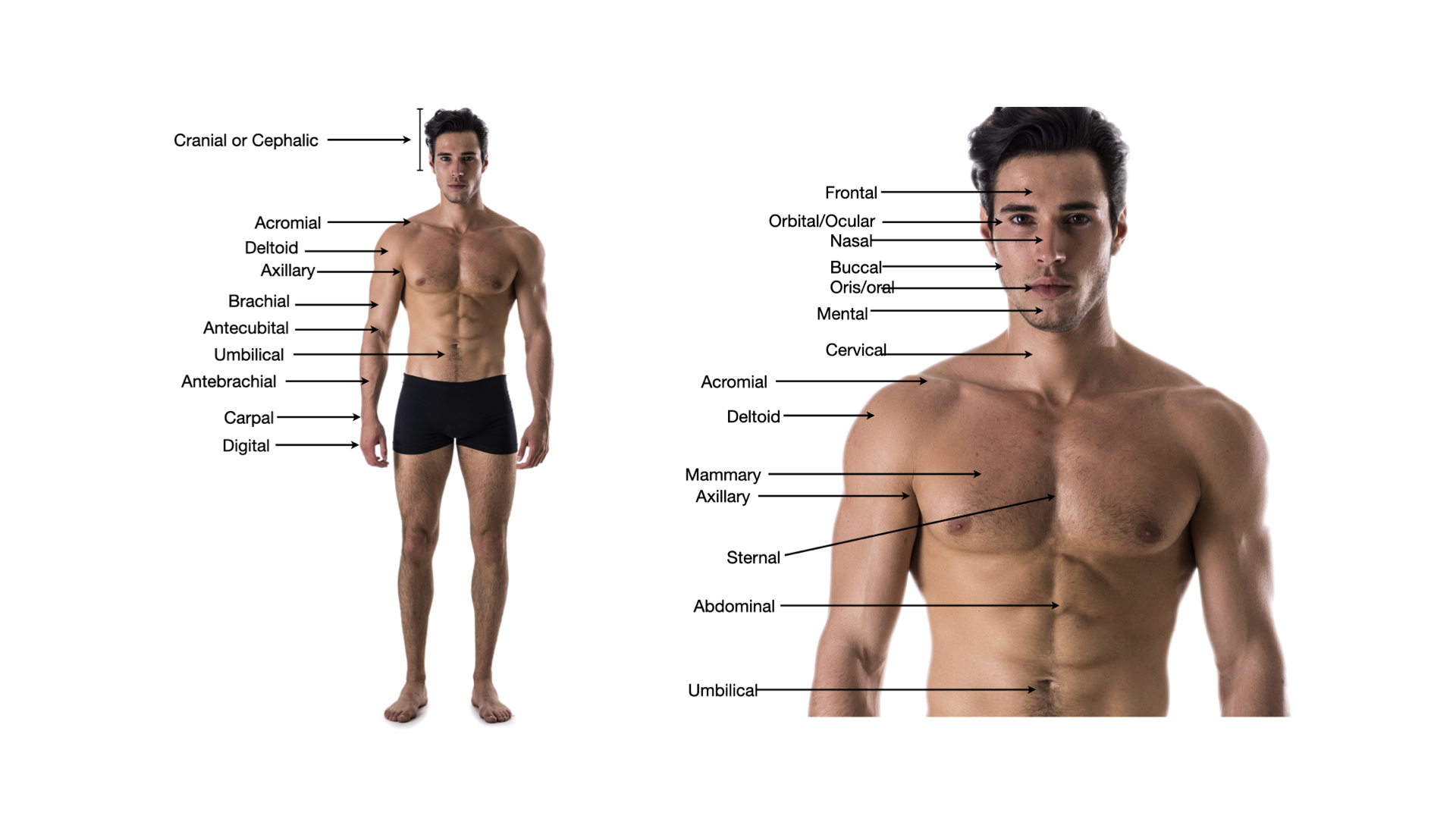
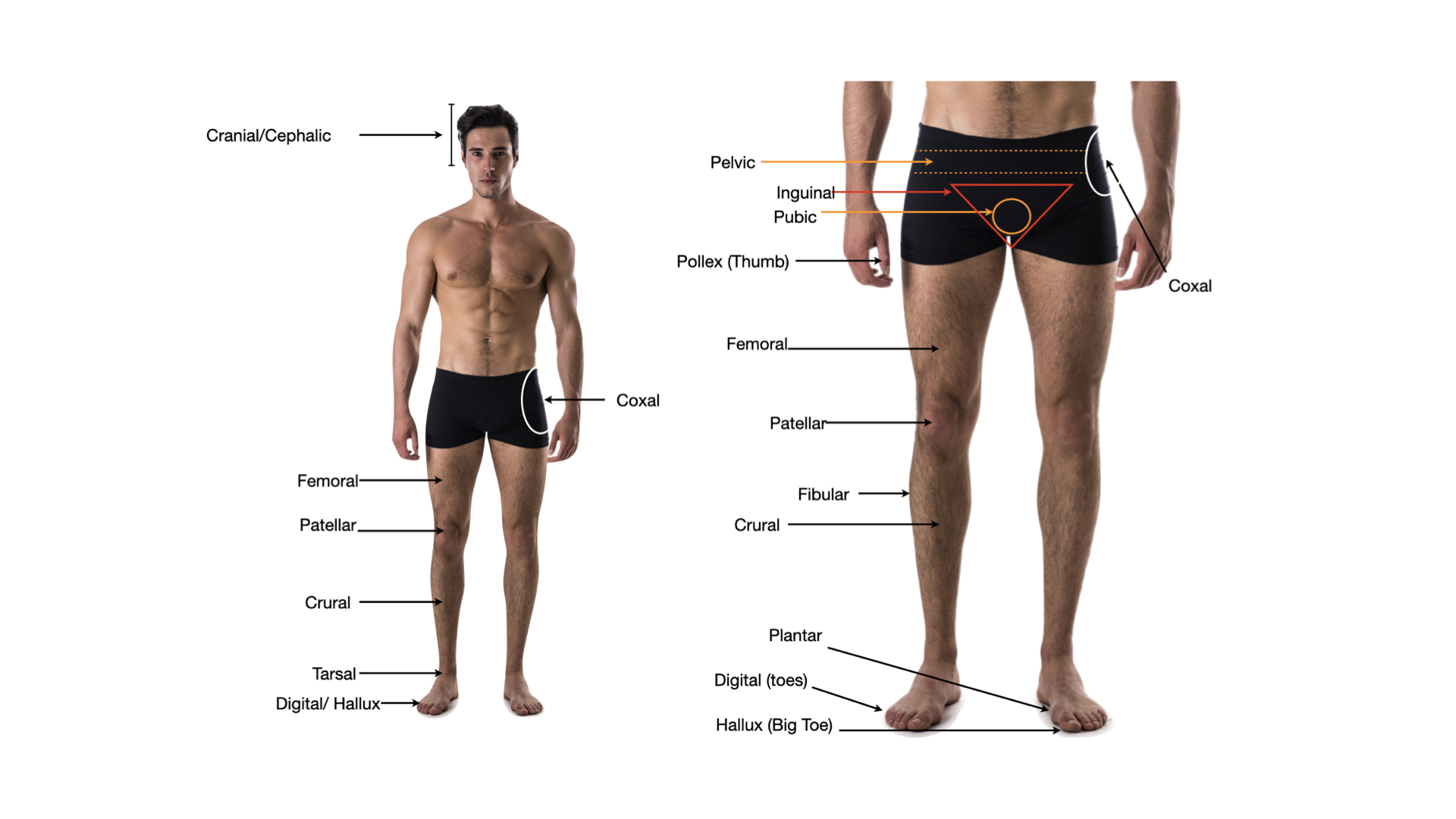
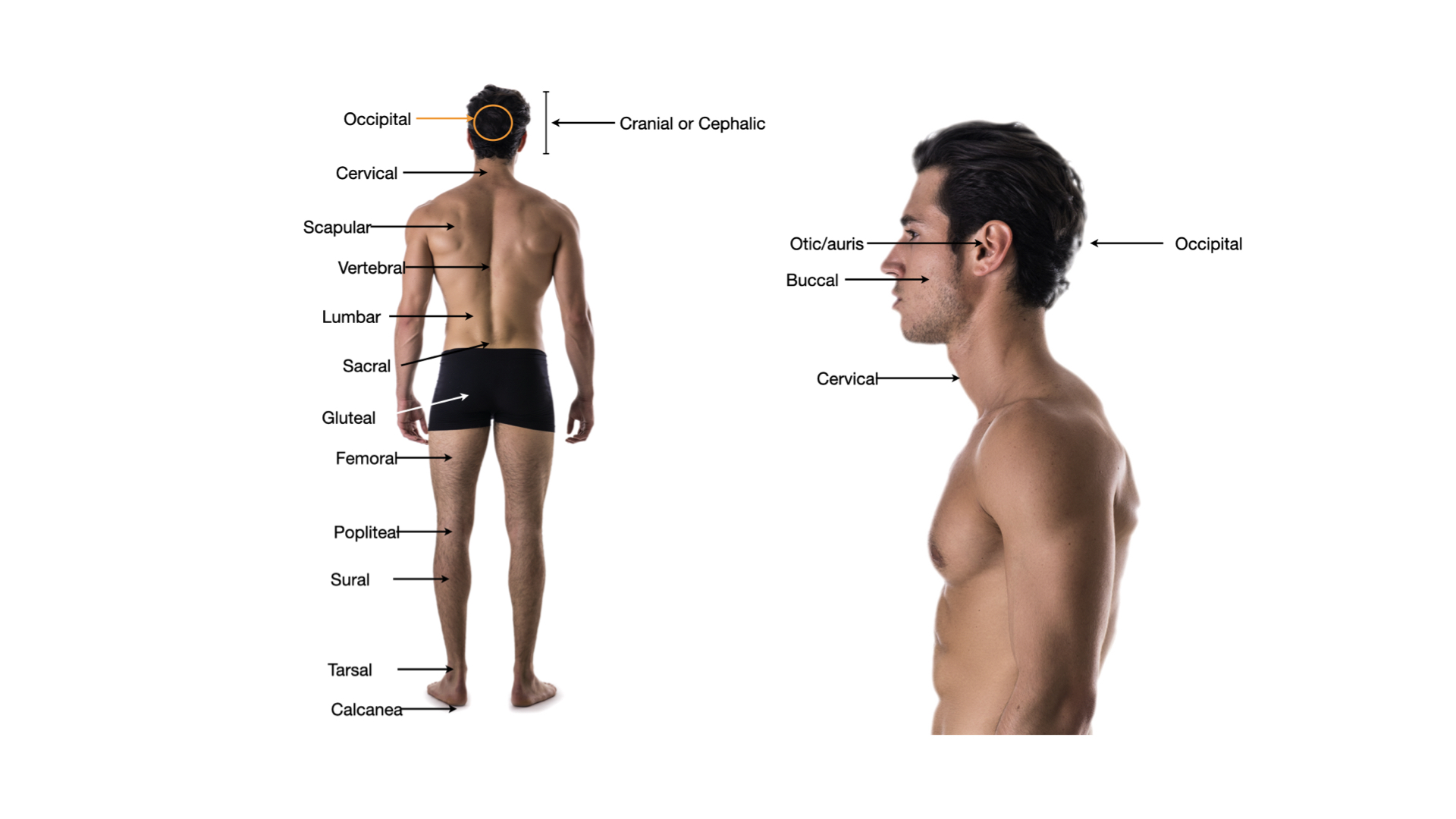
Click any image to enlarge.
Action Potential
Phases
- Restingabout -70 mV; Na+ and K+ voltage gates closed
- Thresholdabout -55 mV; if reached, action potential fires
- DepolarizationNa+ voltage-gated channels open; Na+ rushes in; rises to +30 mV
- RepolarizationNa+ channels inactivate; K+ channels open; K+ rushes out
- HyperpolarizationK+ channels close slowly; briefly dips below -70 mV
- Return to restleak channels and pump restore RMP
Properties
- All-or-noneeither fires fully or not at all
- Thresholdenough depolarization to open Na+ channels
- Absolute refractory periodno AP possible; Na+ channels inactivated
- Relative refractory periodAP possible but needs stronger stimulus; K+ still leaving
Propagation
- Continuous conductionunmyelinated axons; slow, every patch depolarizes
- Saltatory conductionmyelinated; AP jumps node to node; fast
- Nodes of Ranvierunmyelinated gaps where Na+ channels cluster
- Conduction speed scales withmyelination and axon diameter
The Synapse
Chemical synapse steps
- AP arrives at presynaptic terminaldepolarizes membrane
- Voltage-gated Ca²⁺ channels openCa²⁺ enters terminal
- Vesicles fuse with membraneexocytosis of neurotransmitter (NT)
- NT crosses synaptic cleftbinds receptor on postsynaptic membrane
- Postsynaptic responseligand-gated channel opens; ions flow
Postsynaptic potentials
- EPSP (excitatory)partial depolarization; ligand opens Na+ channel
- IPSP (inhibitory)hyperpolarization; ligand opens K+ or Cl- channel
- Summation (temporal)multiple EPSPs from one input add over time
- Summation (spatial)EPSPs from many inputs add together
- Decision pointaxon hillock sums all inputs; fires AP if threshold reached
Neurotransmitter types
- Acetylcholine (ACh)NMJ, parasympathetic; CNS arousal
- Glutamatemain CNS excitatory; learning, memory
- GABAmain CNS inhibitory; targets of benzodiazepines
- Dopaminereward, movement, mood
- Serotoninmood, sleep, appetite
- Norepinephrinearousal, attention, sympathetic
NT removal
- Reuptaketransporters pull NT back into presynaptic neuron (SSRIs block this)
- Enzymatic degradationAChE breaks down ACh in synapse
- DiffusionNT drifts away from cleft
Step 3 . Retrieval check
Now explain it back, in your own words.
In 60 words or more, pull together what the video just taught you. Include the key concepts. This is the point where the learning actually sticks. After you submit, your spaced-recall cards for this topic unlock.
Zoomed image
Spaced recall unlocked
Nice work finishing the video.
Your spaced-recall cards for this topic are ready. Open the pre-work to activate them and start drilling.