BIO 304 · Human Anatomy & Physiology
GI Tract Anatomy & Motility
Digestive System · Module 14
A reference for the GI Anatomy & Motility video. The GI tract is a continuous tube from mouth to anus. Each region has a specialized job, and the tube wall has the same four layers throughout.
How to use this sheet Toggle the toolbar above. Notes prints the full reference for review. Study prints as a fill-in-the-blank worksheet , print it, then write each definition while you watch the video or read your book. Quiz me is on-screen typing practice; type the term, click Reveal to check yourself.
- Identify the organs of the GI tract from mouth to anus and the accessory organs.
- Name the four layers of the GI wall and what each does.
- Distinguish peristalsis from segmentation and identify which sphincters control each major transition.
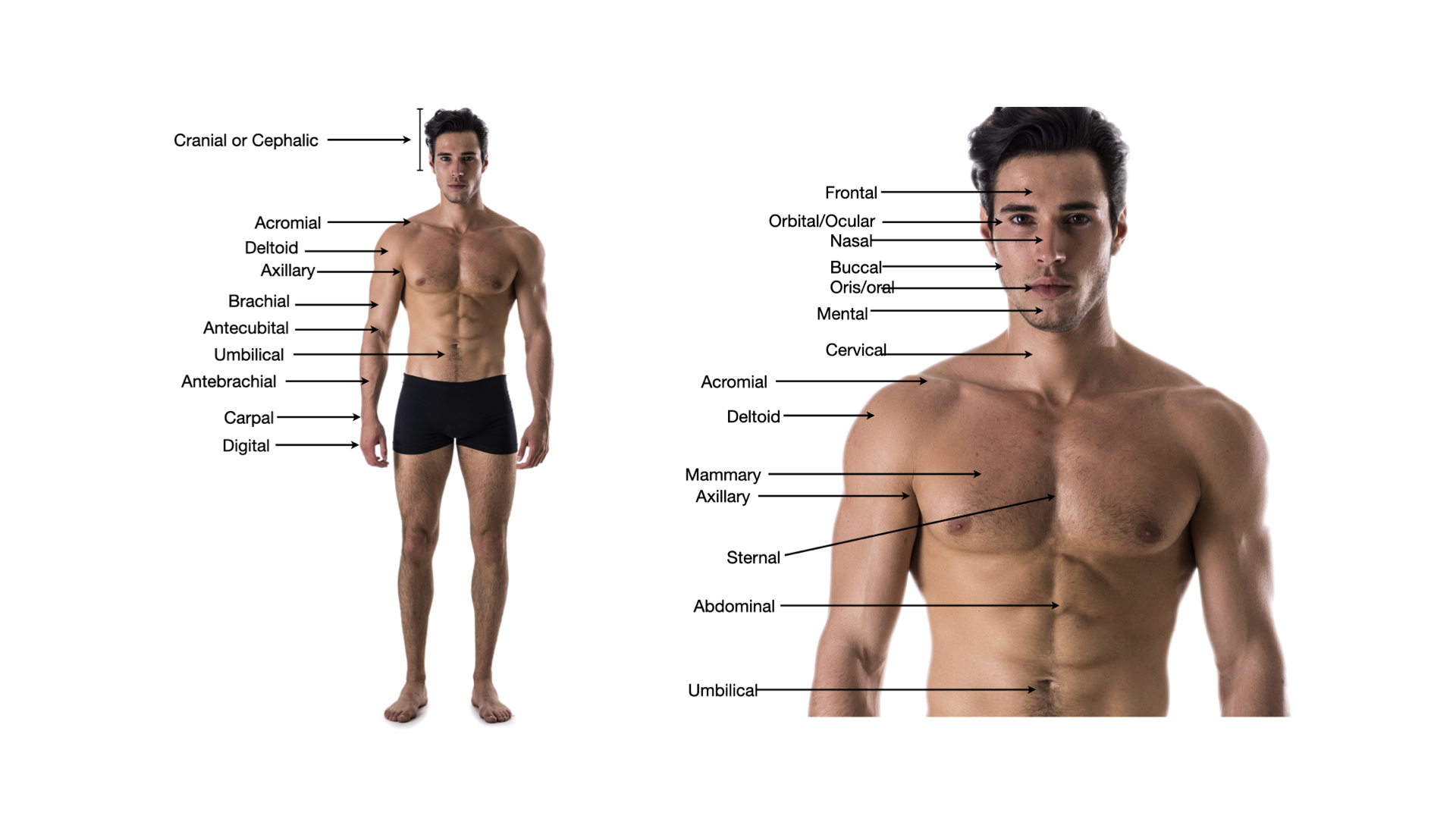
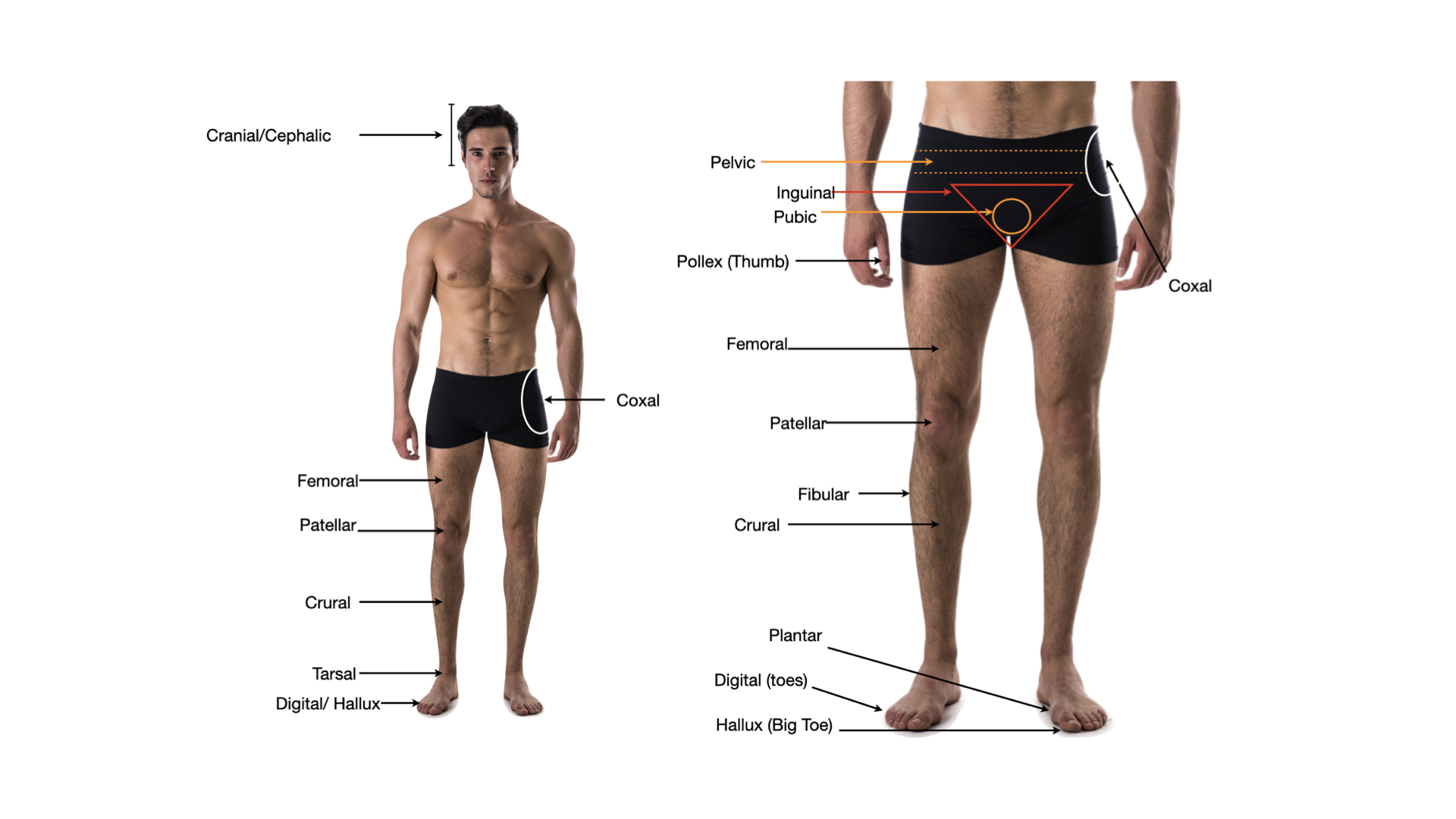
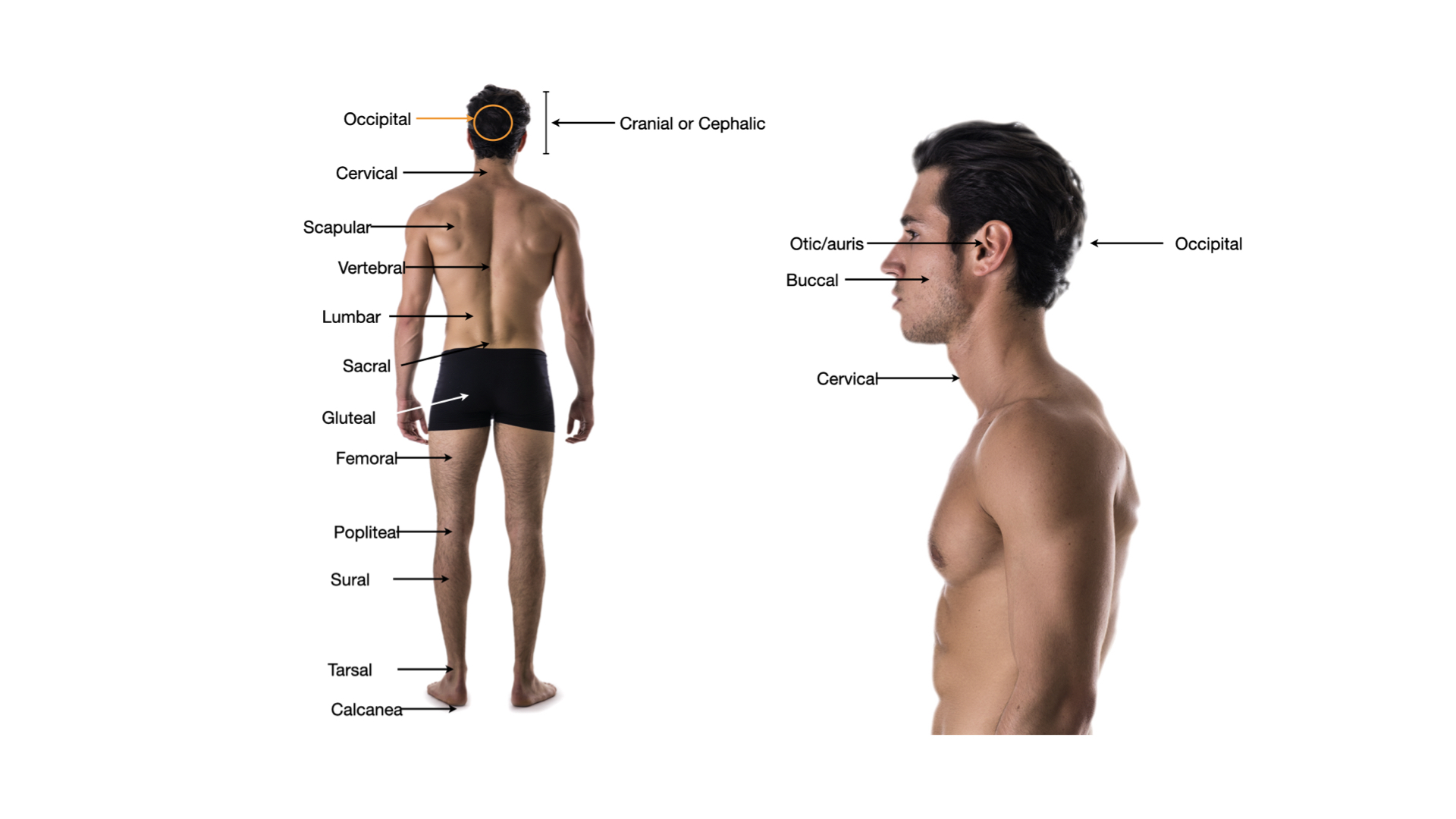
Click any image to enlarge.
GI Tract Anatomy
Mouth to stomach
- Mouthmechanical (teeth) and chemical (salivary amylase) digestion; starts swallow
- Pharynxshared with respiratory; epiglottis closes airway during swallow
- Esophagusmuscular tube; peristalsis to stomach; upper and lower esophageal sphincters
- Stomach4 regions: cardia, fundus, body, pylorus; mechanical churning + acid digestion
- Gastric pits & glandsparietal cells (HCl, intrinsic factor), chief cells (pepsinogen), G cells (gastrin)
Small intestine (~6 m)
- Duodenum~25 cm; receives bile and pancreatic juice; most chemical digestion
- Jejunum~2.5 m; most absorption
- Ileum~3.5 m; B12 absorption (with intrinsic factor); bile salt recycling
- Plicae circularescircular folds increase surface area
- Villi & microvilli~600x amplification of absorptive surface
Large intestine (~1.5 m)
- Cecumfirst portion; appendix attached
- Ascending colonright side, up
- Transverse colonacross
- Descending colonleft side, down
- Sigmoid colonS-curve into pelvis
- Rectum & anusstorage and elimination; internal and external anal sphincters
- Main jobwater and electrolyte absorption; vitamin K from gut flora; storage of feces
Accessory organs
- Salivary glandsparotid, submandibular, sublingual; saliva with amylase and lipase
- Livermakes bile; metabolic powerhouse
- Gallbladderstores and concentrates bile; releases on CCK signal
- Pancreasexocrine (digestive enzymes via duct to duodenum) + endocrine (insulin/glucagon)
Wall, Sphincters & Motility
Four layers (deep to superficial)
- Mucosaepithelium + lamina propria + muscularis mucosae; absorption and secretion
- Submucosadense CT with blood vessels, lymphatics, submucosal (Meissner) plexus
- Muscularis externainner circular + outer longitudinal smooth muscle; myenteric (Auerbach) plexus between them
- Serosavisceral peritoneum (or adventitia where retroperitoneal)
Enteric nervous system
- Submucosal plexuscontrols secretion and local blood flow
- Myenteric plexuscontrols motility
- Often called "second brain"~500 million neurons; can function independently of CNS
- Modulated by ANSparasympathetic stimulates; sympathetic inhibits
Sphincters
- Upper esophagealvoluntary skeletal; opens to swallow
- Lower esophageal (cardiac)prevents reflux; failure = GERD
- Pyloricstomach to duodenum; meters chyme release
- Ileocecalsmall intestine to large; prevents backflow
- Internal analsmooth muscle; involuntary
- External analskeletal muscle; voluntary
- Sphincter of Oddicontrols bile/pancreatic juice into duodenum
Motility patterns
- Peristalsispropulsive wave; pushes contents forward
- Segmentationmixing; non-adjacent rings of contraction churn contents
- Mass movementslarge slow contractions in colon a few times daily
- Masticationvoluntary; mechanical breakdown
- Deglutitionvoluntary (buccal) then involuntary (pharyngeal, esophageal)
- Defecationinvoluntary internal sphincter relaxes; voluntary external sphincter holds
Step 3 . Retrieval check
Now explain it back, in your own words.
In 60 words or more, pull together what the video just taught you. Include the key concepts. This is the point where the learning actually sticks. After you submit, your spaced-recall cards for this topic unlock.
Zoomed image
Spaced recall unlocked
Nice work finishing the video.
Your spaced-recall cards for this topic are ready. Open the pre-work to activate them and start drilling.