BIO 304 · Human Anatomy & Physiology
Lymphatic System & Innate Immunity
Lymphatic & Immune · Module 12
A reference for the Lymphatic & Innate Immunity video. The lymphatic system collects fluid that capillaries leak, filters it through nodes, and returns it to the blood. The innate immune response handles whatever shows up, fast, without prior exposure.
How to use this sheet Toggle the toolbar above. Notes prints the full reference for review. Study prints as a fill-in-the-blank worksheet , print it, then write each definition while you watch the video or read your book. Quiz me is on-screen typing practice; type the term, click Reveal to check yourself.
- Identify the components of the lymphatic system and describe how lymph returns to circulation.
- List the major lymphatic organs and what each one does.
- Distinguish the cells and chemicals of innate immunity from those of adaptive immunity.
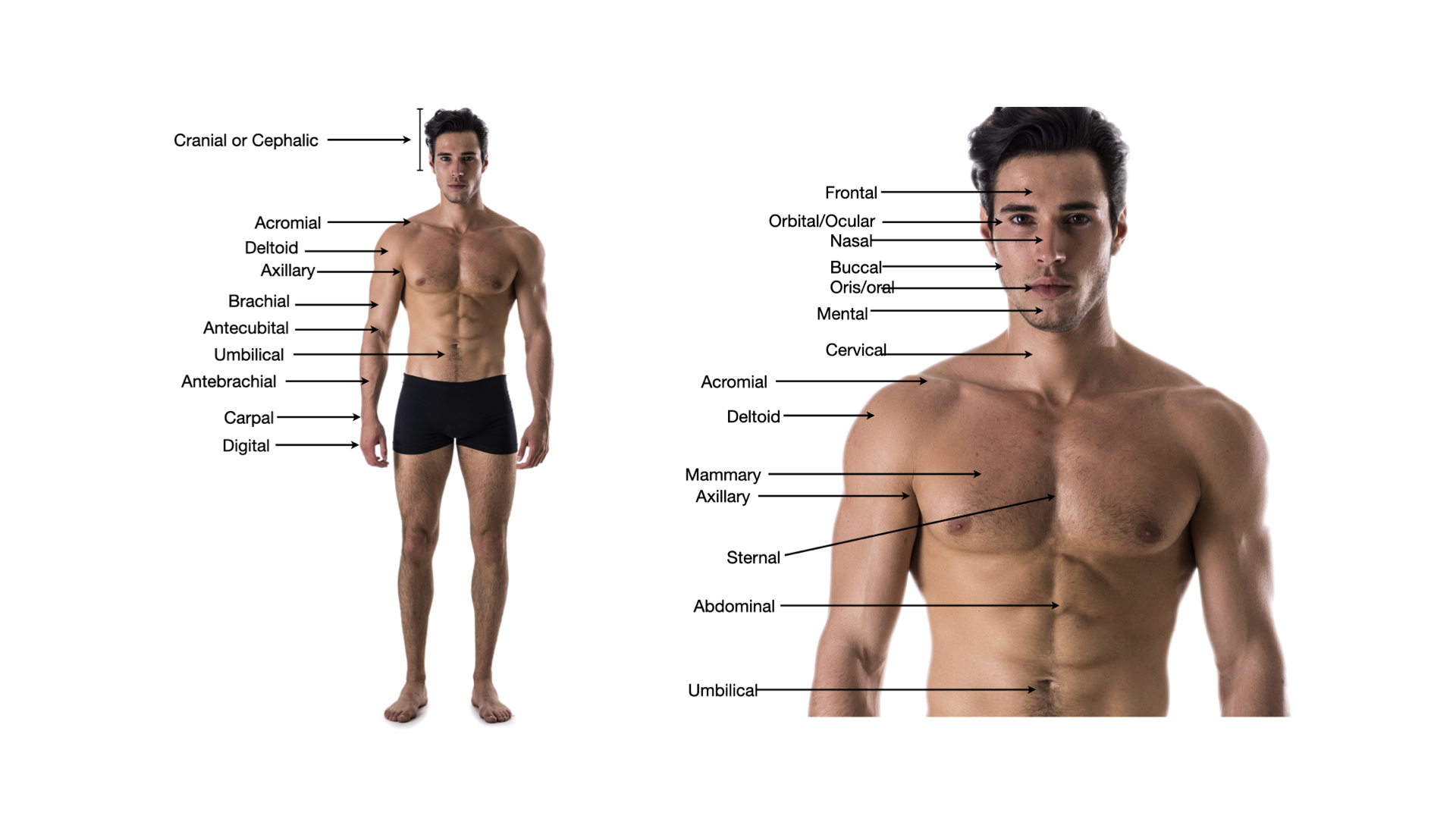
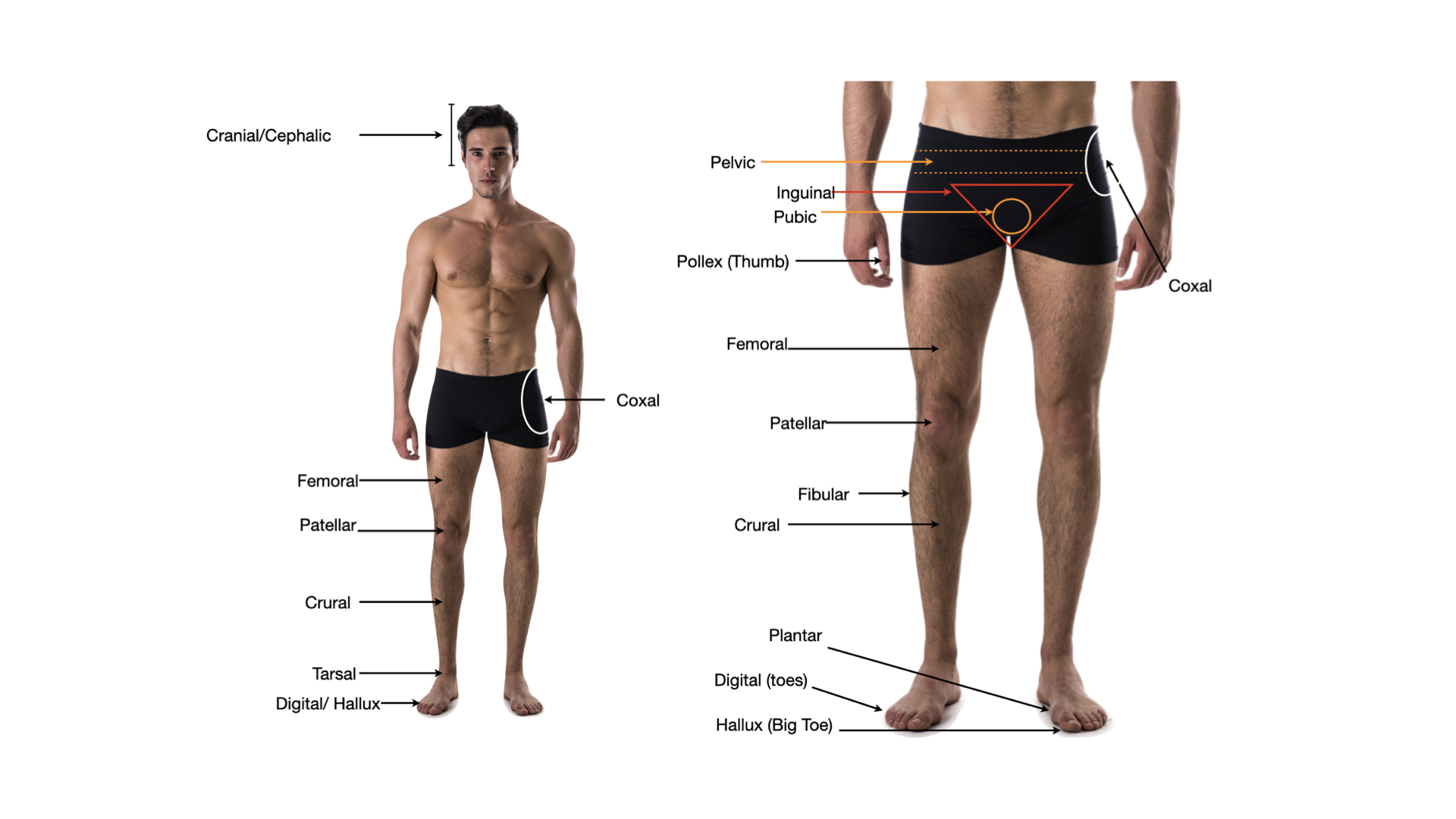
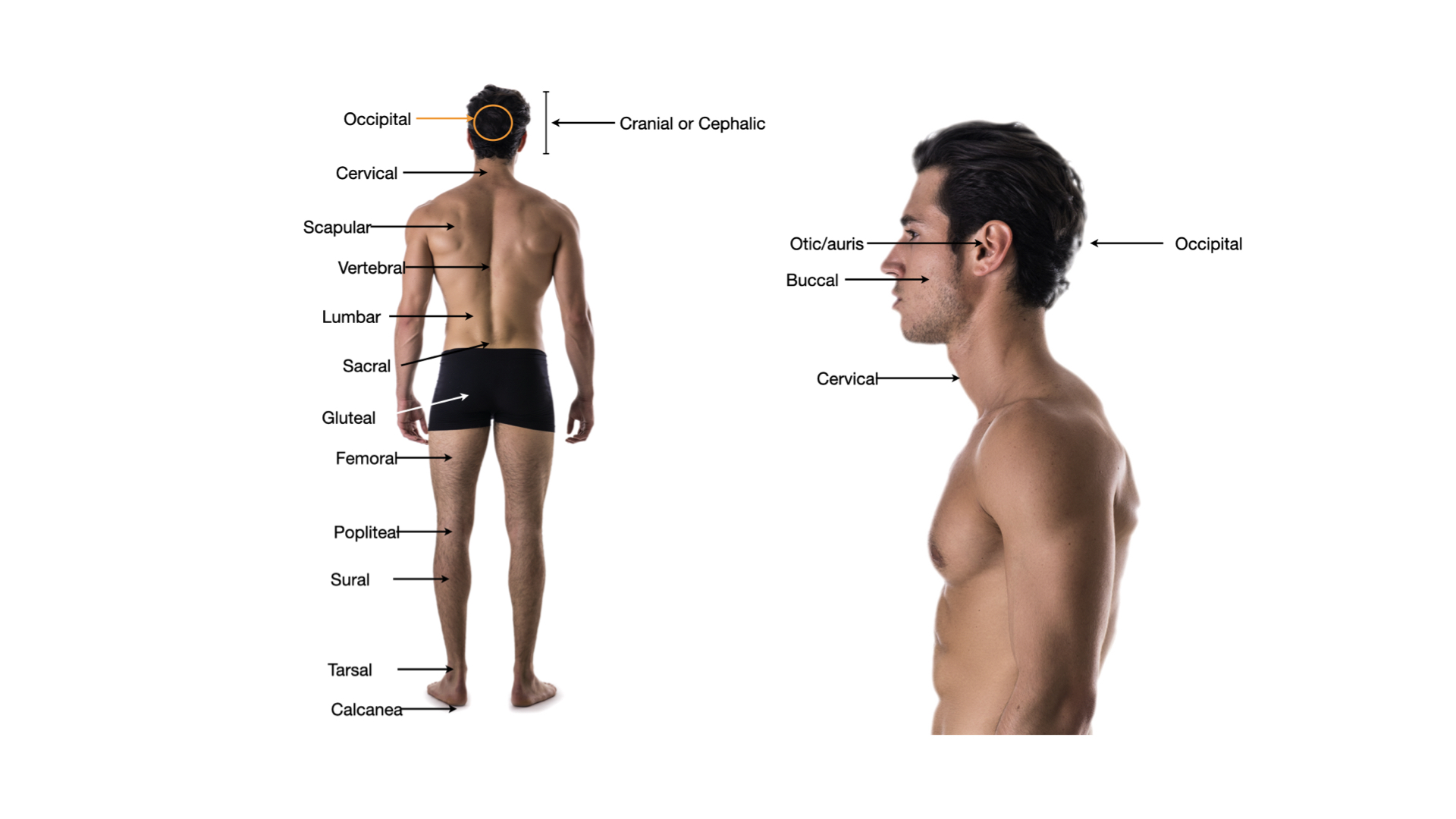
Click any image to enlarge.
Lymphatic System
Vessels & flow
- Lymphatic capillariesclosed-end; collect interstitial fluid and proteins
- Lymphatic vesselsprogressively larger; have valves; one-way to thorax
- Lymph trunksdrain regions; lumbar, intestinal, bronchomediastinal, subclavian, jugular
- Thoracic ductdrains 3/4 of body; into left subclavian vein
- Right lymphatic ductdrains upper right; into right subclavian vein
- Lymphfluid plus protein plus immune cells inside lymphatic vessels
Lymphoid organs
- Lymph nodes~600 in body; filter lymph; B cells in cortex, T cells in paracortex
- Spleenlargest lymphoid organ; filters blood; recycles RBCs; immune response
- Thymussite of T-cell maturation; large in childhood, shrinks with age
- Tonsilsguard pharyngeal entrance (palatine, lingual, pharyngeal)
- MALTmucosa-associated lymphoid tissue; Peyer patches (gut), appendix, bronchi
- Bone marrowsite of B-cell maturation; produces all blood cells
Why this matters
- Fluid returnlymph returns ~3L/day of capillary leakage
- Fat absorptionlac#0B1530s in intestinal villi pick up dietary lipids
- Immune surveillancenodes monitor lymph for pathogens and tumor cells
Innate Immunity
First-line barriers
- Skinphysical barrier; acidic surface; antimicrobial peptides
- Mucous membranesmucus traps; cilia sweep; defensins
- Stomach acid & enzymeskill ingested microbes
- Normal floracompete with pathogens for resources
- Tears, saliva, urine flowmechanical and chemical washouts
Cellular defenders
- Neutrophilsfirst-arrival phagocytes; numerous; short-lived
- Macrophagestissue-resident; phagocytose and present antigen
- Dendritic cellsantigen-presenting; bridge to adaptive immunity
- NK cellskill virus-infected and tumor cells; recognize "missing self"
- Eosinophilsparasites; allergic response
- Mast cells/basophilsrelease histamine; trigger inflammation
Chemical defenders
- Complement20+ plasma proteins; cascade leading to lysis, opsonization, inflammation
- Cytokinesinterferons (antiviral), interleukins (signaling), TNF, chemokines
- Antimicrobial peptidesdefensins, cathelicidins; poke holes in microbial membranes
Inflammation (cardinal signs)
- Redness (rubor)vasodilation increases blood flow
- Heat (calor)increased metabolism
- Swelling (tumor)increased vascular permeability
- Pain (dolor)mediators (bradykinin, prostaglandins) sensitize nociceptors
- Loss of function (functio laesa)protective immobility
Fever
- Pyrogens (IL-1, IL-6, TNF, prostaglandin E2)reset hypothalamic set point
- Helps immune responsehigher temperature improves enzyme activity; many pathogens grow slower
- NSAIDsblock prostaglandin synthesis — reduce fever
Step 3 . Retrieval check
Now explain it back, in your own words.
In 60 words or more, pull together what the video just taught you. Include the key concepts. This is the point where the learning actually sticks. After you submit, your spaced-recall cards for this topic unlock.
Zoomed image
Spaced recall unlocked
Nice work finishing the video.
Your spaced-recall cards for this topic are ready. Open the pre-work to activate them and start drilling.