BIO 304 · Human Anatomy & Physiology
Motor Units & Muscle Mechanics
Muscular System · Module 6
A reference for the Motor Units video. Force grows two ways: by recruiting more motor units, and by firing each motor unit faster. Both are happening every time you lift a coffee cup.
How to use this sheet Toggle the toolbar above. Notes prints the full reference for review. Study prints as a fill-in-the-blank worksheet , print it, then write each definition while you watch the video or read your book. Quiz me is on-screen typing practice; type the term, click Reveal to check yourself.
- Define a motor unit and contrast small versus large motor units by function.
- Distinguish twitch, wave summation, unfused tetanus, and fused tetanus.
- Explain isotonic versus isometric contraction and concentric versus eccentric movement.
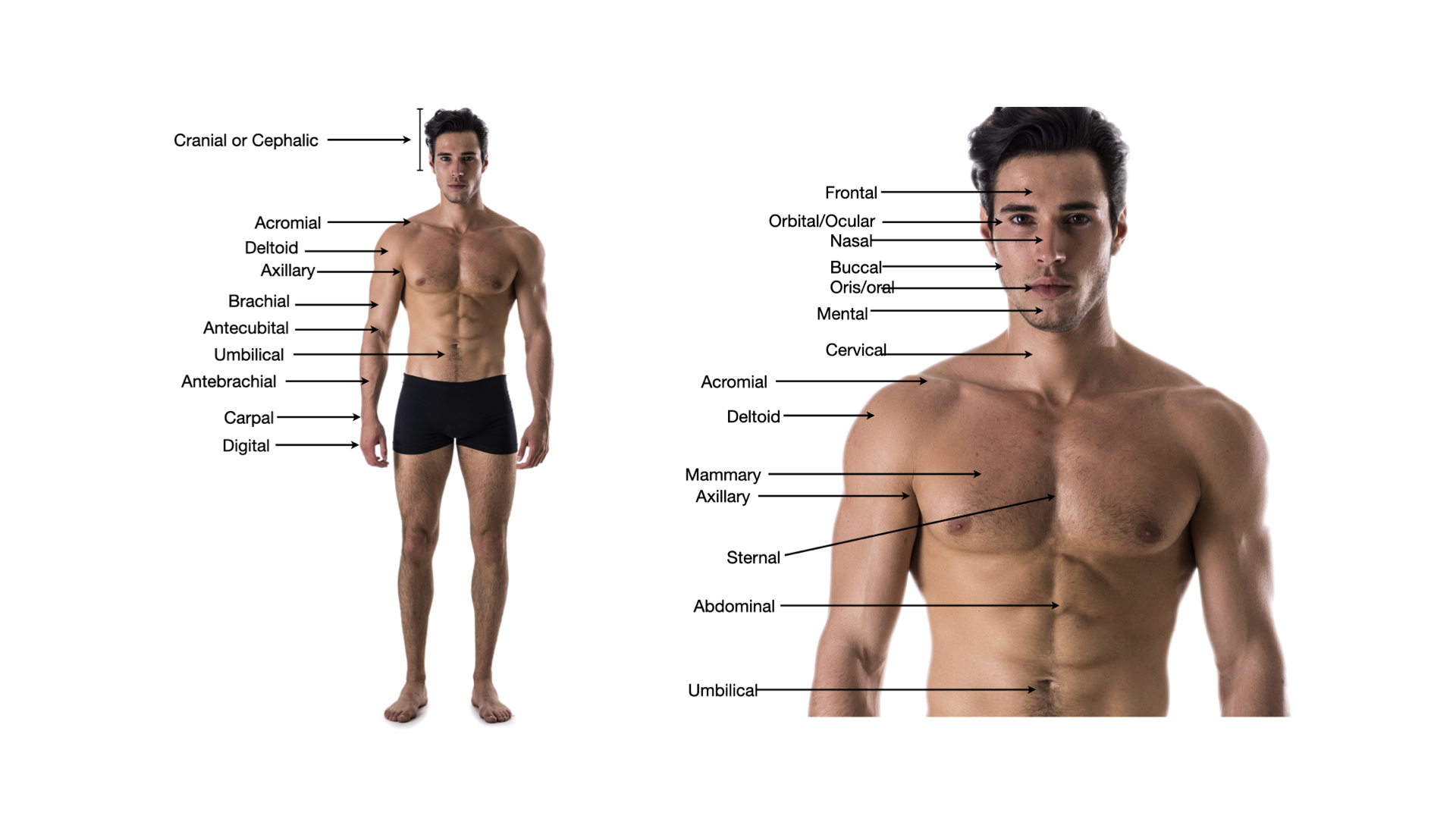
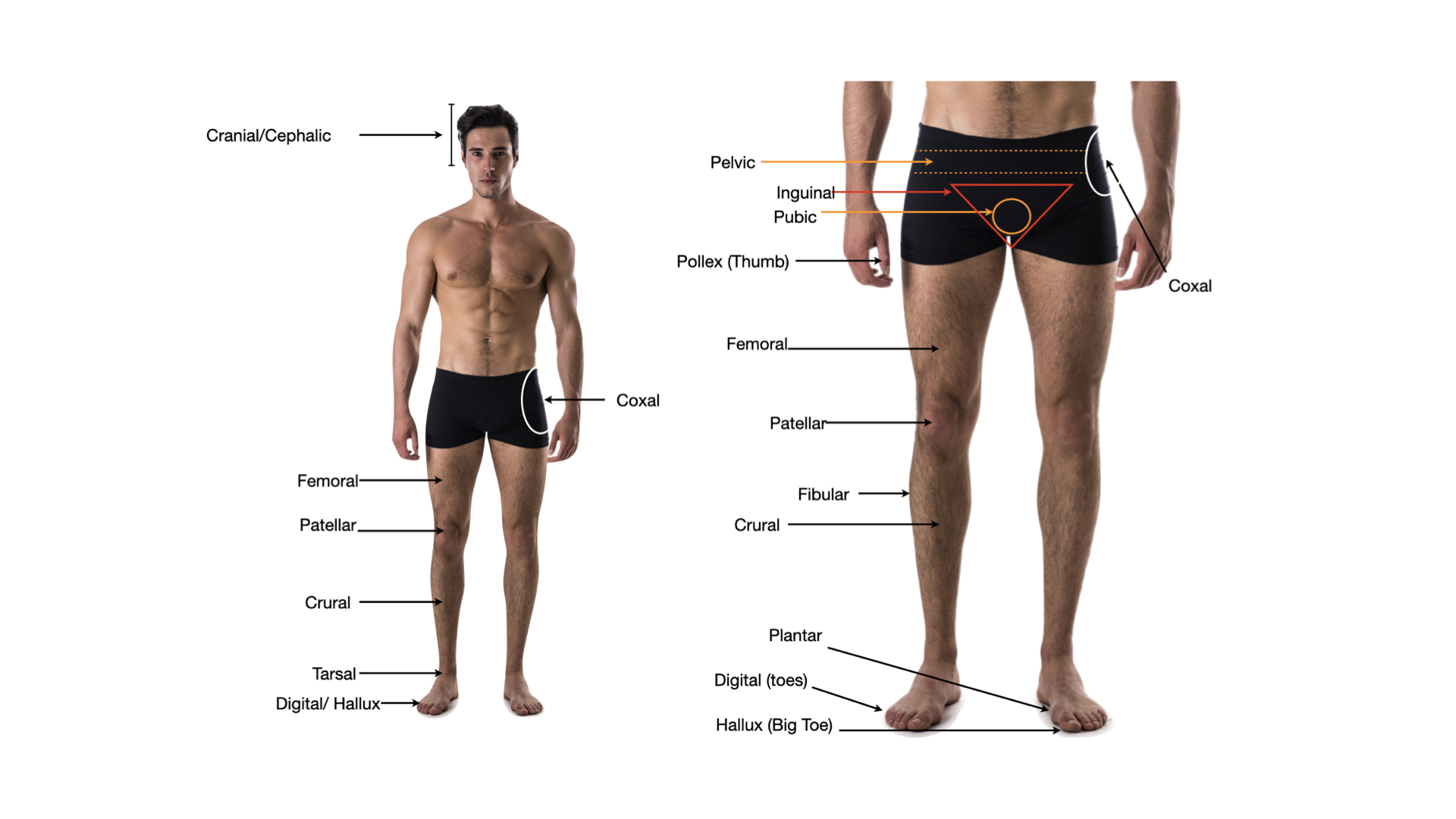
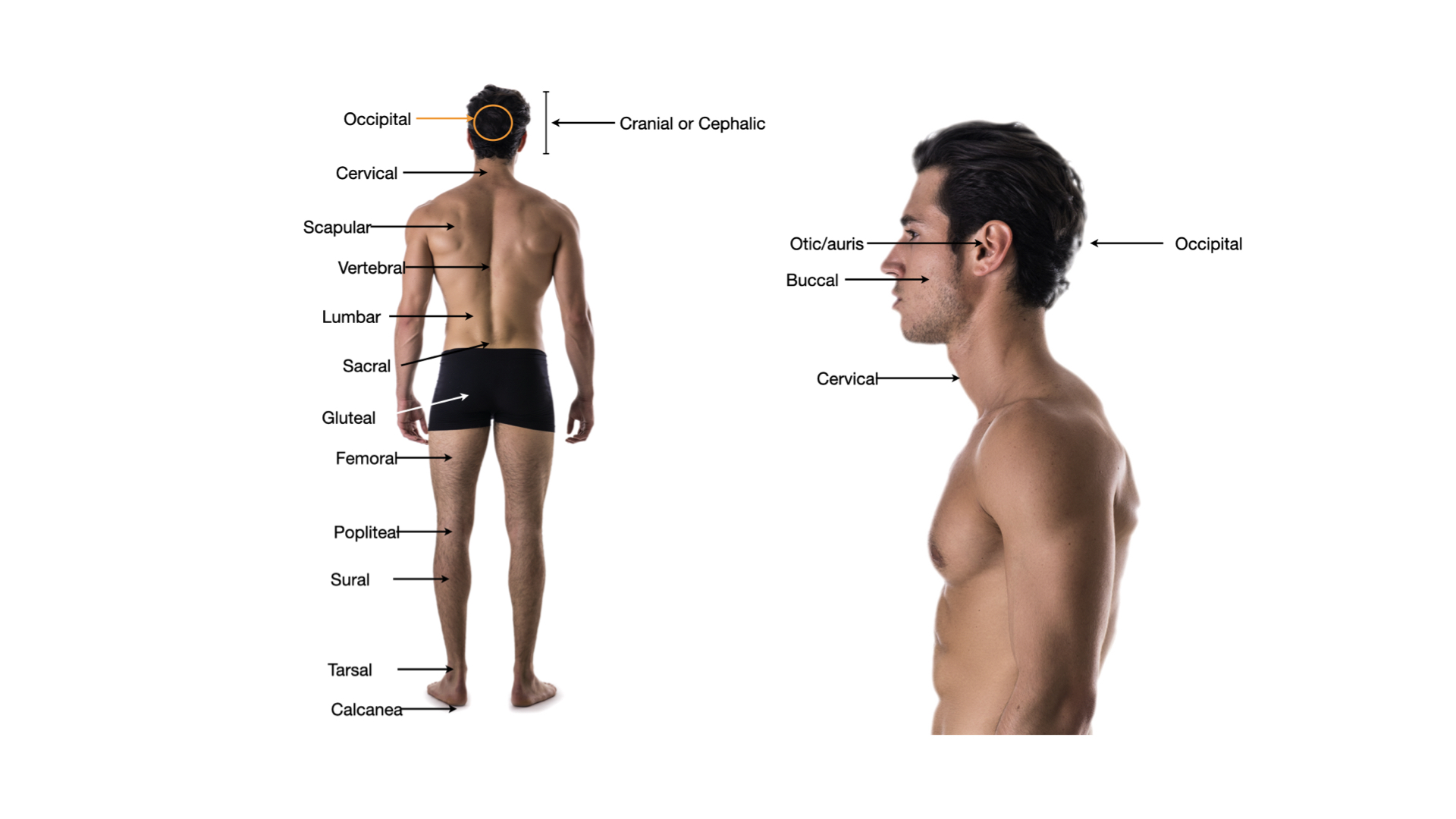
Click any image to enlarge.
Motor Unit Basics
Definition & size
- Motor unitone motor neuron + all muscle fibers it innervates
- Small motor unitfew fibers per neuron · fine control (extraocular ~3-5 fibers)
- Large motor unitthousands of fibers per neuron · gross force (gastrocnemius ~1000+)
Recruitment
- Size principlesmall motor units fire first; larger added as needed
- Recruitmentactivating more motor units to increase force
- All-or-none for one fiberfiber contracts maximally or not at all when stimulated
Fiber types
- Type I (slow oxidative)red, lots of mitochondria, fatigue-resistant · endurance
- Type IIa (fast oxidative)intermediate; aerobic + glycolytic
- Type IIx/b (fast glycolytic)white, anaerobic, fast and powerful, fatigues quickly
Mechanics
Twitch & tetanus
- Twitchresponse to one action potential · latent, contraction, relaxation phases
- Wave summationa second twitch adds onto the first if it arrives early
- Unfused tetanusrapid stimulation; partial relaxation between twitches
- Fused (complete) tetanusso rapid no relaxation; smooth sustained contraction
Length-tension
- Optimal lengthmaximum cross-bridge overlap → maximum force
- Too shortthick filaments collide with Z discs; force drops
- Too longtoo little overlap to form bridges; force drops
Types of contraction
- Isotonicmuscle changes length, load constant (lifting a weight)
- Isometricmuscle generates force without changing length (holding a plank)
- Concentricisotonic shortening (curl up)
- Eccentricisotonic lengthening under load (lower the curl — this is what makes you sore)
Fuel for contraction
- Direct ATPlasts ~2 seconds
- Creatine phosphate~10-15 seconds of fast ATP regen
- Anaerobic glycolysis~30-60 seconds; produces lactate
- Aerobic respirationminutes to hours; needs oxygen and substrate
Step 3 . Retrieval check
Now explain it back, in your own words.
In 60 words or more, pull together what the video just taught you. Include the key concepts. This is the point where the learning actually sticks. After you submit, your spaced-recall cards for this topic unlock.
Zoomed image
Spaced recall unlocked
Nice work finishing the video.
Your spaced-recall cards for this topic are ready. Open the pre-work to activate them and start drilling.