BIO 304 · Human Anatomy & Physiology
Neurons & Resting Membrane Potential
Nervous System · Module 7
A reference for the Resting Potential video. Every neuron at rest sits at about -70 mV. That voltage is the resting potential, and it is set up by the Na+/K+ pump and selective ion permeability.
How to use this sheet Toggle the toolbar above. Notes prints the full reference for review. Study prints as a fill-in-the-blank worksheet , print it, then write each definition while you watch the video or read your book. Quiz me is on-screen typing practice; type the term, click Reveal to check yourself.
- Identify the structural and functional classes of neurons.
- Explain how the Na+/K+ pump and leak channels establish the resting membrane potential.
- Predict membrane potential changes from a stated ion movement.
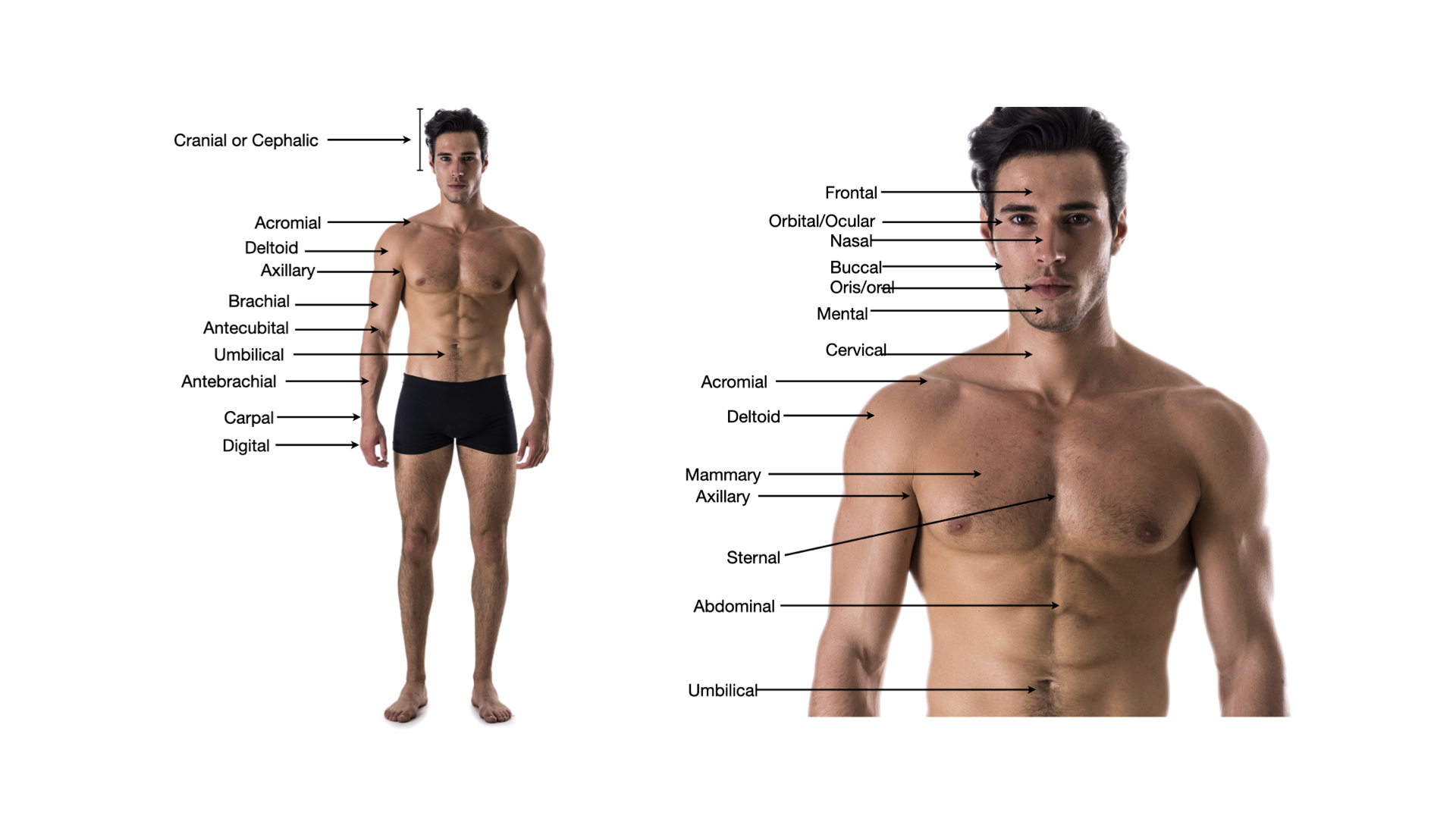
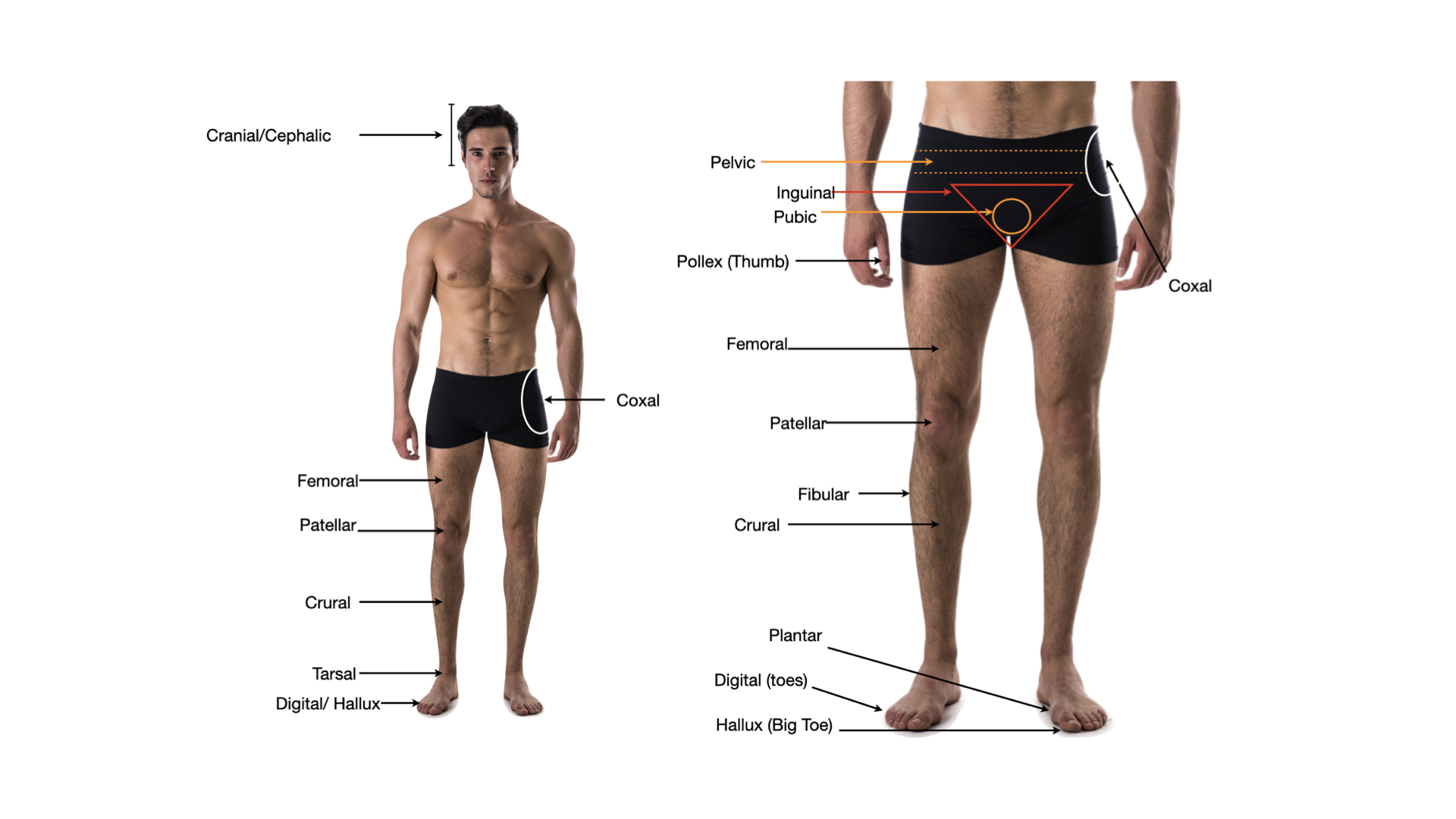
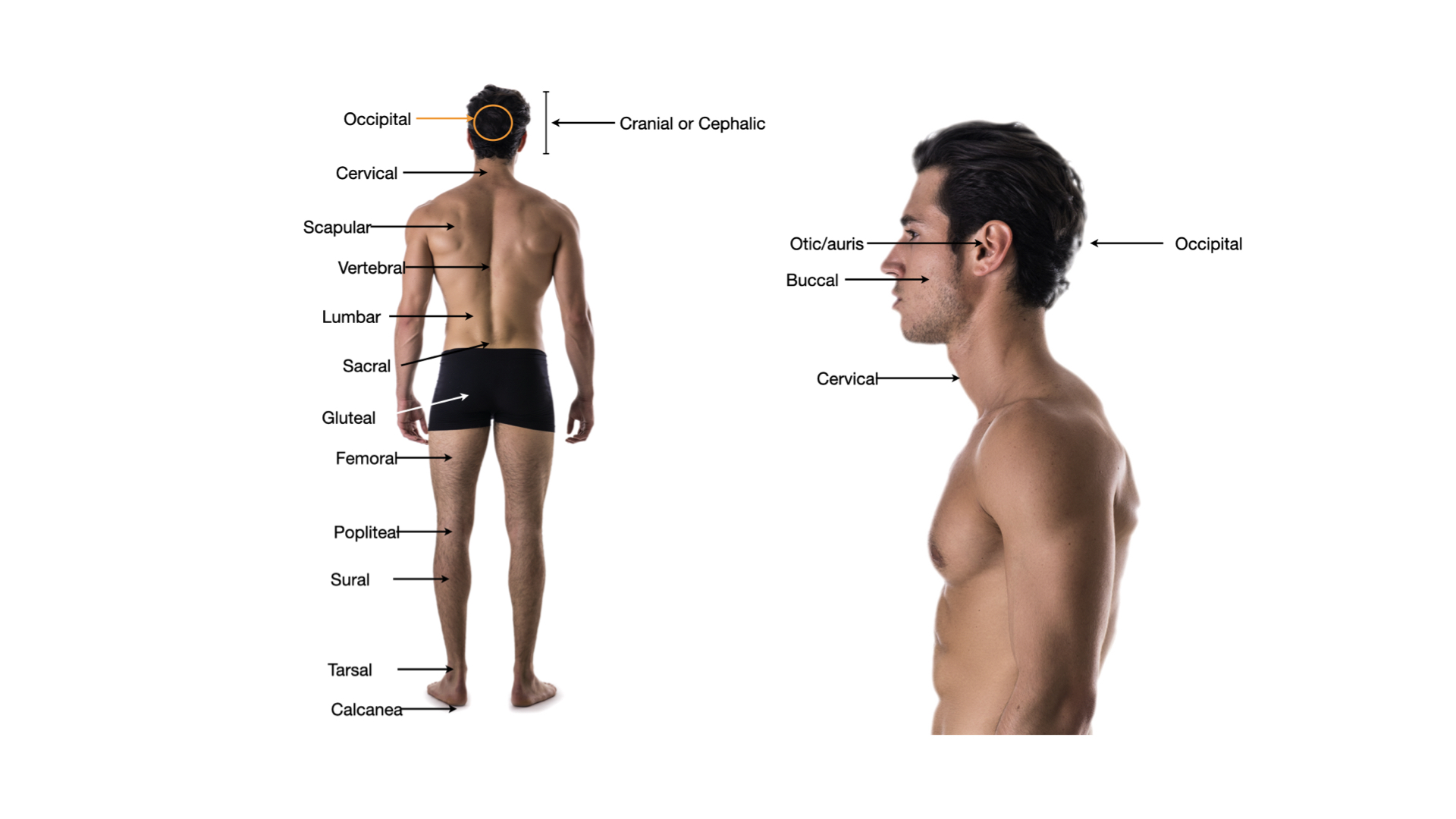
Click any image to enlarge.
Neuron Types
Structural classes
- Multipolarmany dendrites, one axon · most neurons
- Bipolarone dendrite, one axon · retina, olfactory
- Pseudounipolarone process that splits · most sensory neurons in DRG
- Anaxonicno clear axon · some interneurons
Functional classes
- Sensory (afferent)carries signal toward CNS
- Motor (efferent)carries signal from CNS to effector
- Interneuron (association)between sensory and motor; entirely in CNS; ~99% of neurons
Resting Membrane Potential
The key facts
- Resting potentialabout -70 mV (inside negative relative to outside)
- Inside the cellhigh K+ and high anionic protein
- Outside the cellhigh Na+ and Cl-
- Membrane is selectively permeableleaky to K+ > Na+ at rest
How it is set up
- Na+/K+ ATPasepumps 3 Na+ out and 2 K+ in per ATP · primary active transport
- K+ leak channelsK+ leaks down its gradient toward outside
- Na+ leak channels (fewer)Na+ leaks in slowly; pump keeps removing it
- Net effectinside ends up negative because K+ leaves easily and big anions cannot follow
Changing the voltage
- Depolarizationinside becomes less negative (e.g. Na+ enters)
- Hyperpolarizationinside becomes more negative (e.g. K+ leaves or Cl- enters)
- Repolarizationreturn toward resting after depolarization
Equilibrium potentials
- Eₘ (K+)~ -90 mV · if only K+ were permeable, potential would settle here
- Eₘ (Na+)~ +60 mV · if only Na+ were permeable
- Real RMPbetween the two, weighted toward K+ because membrane is more permeable to K+
Step 3 . Retrieval check
Now explain it back, in your own words.
In 60 words or more, pull together what the video just taught you. Include the key concepts. This is the point where the learning actually sticks. After you submit, your spaced-recall cards for this topic unlock.
Zoomed image
Spaced recall unlocked
Nice work finishing the video.
Your spaced-recall cards for this topic are ready. Open the pre-work to activate them and start drilling.