BIO 304 · Human Anatomy & Physiology
Appendicular Skeleton
Skeletal System · Module 5
A reference for the Appendicular Skeleton video. The appendicular skeleton is the limbs and the girdles that connect them to the axial. Built for mobility on top, stability on the bottom.
How to use this sheet Toggle the toolbar above. Notes prints the full reference for review. Study prints as a fill-in-the-blank worksheet , print it, then write each definition while you watch the video or read your book. Quiz me is on-screen typing practice; type the term, click Reveal to check yourself.
- Identify the bones of the pectoral and pelvic girdles.
- Name the bones of the upper limb and the lower limb from proximal to distal.
- Compare the pectoral girdle (mobility) and pelvic girdle (stability) by structure and attachment.
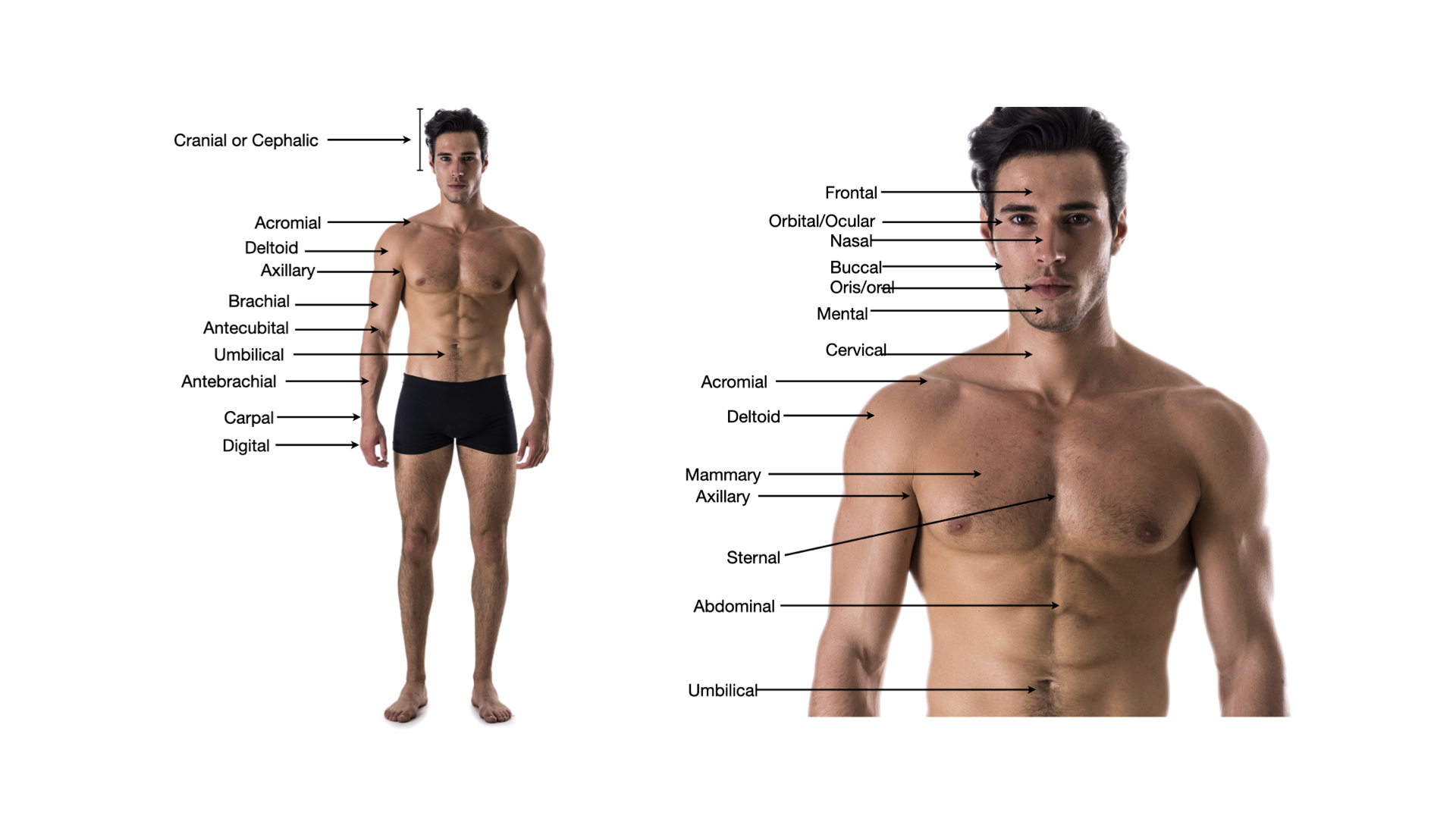
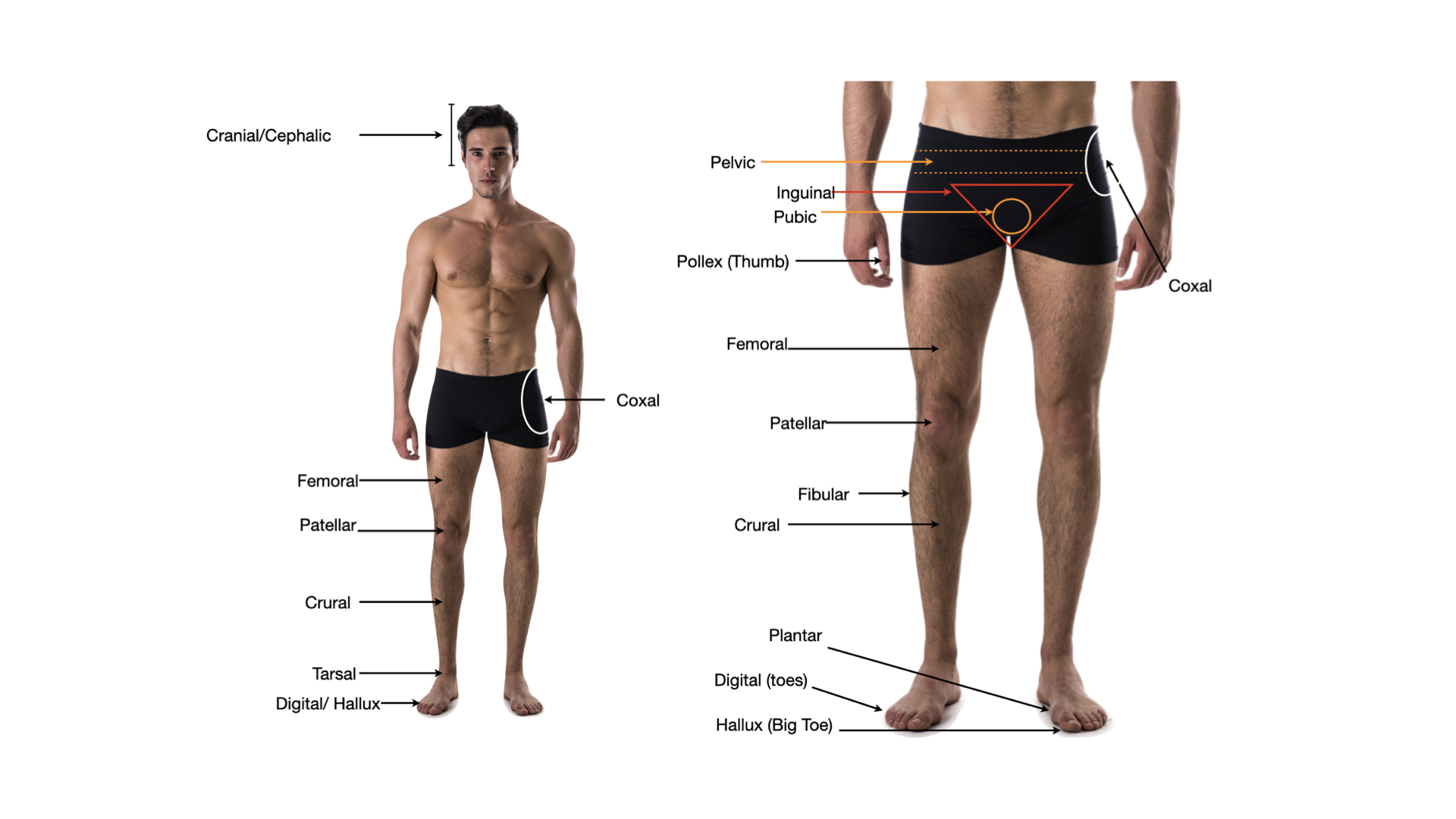
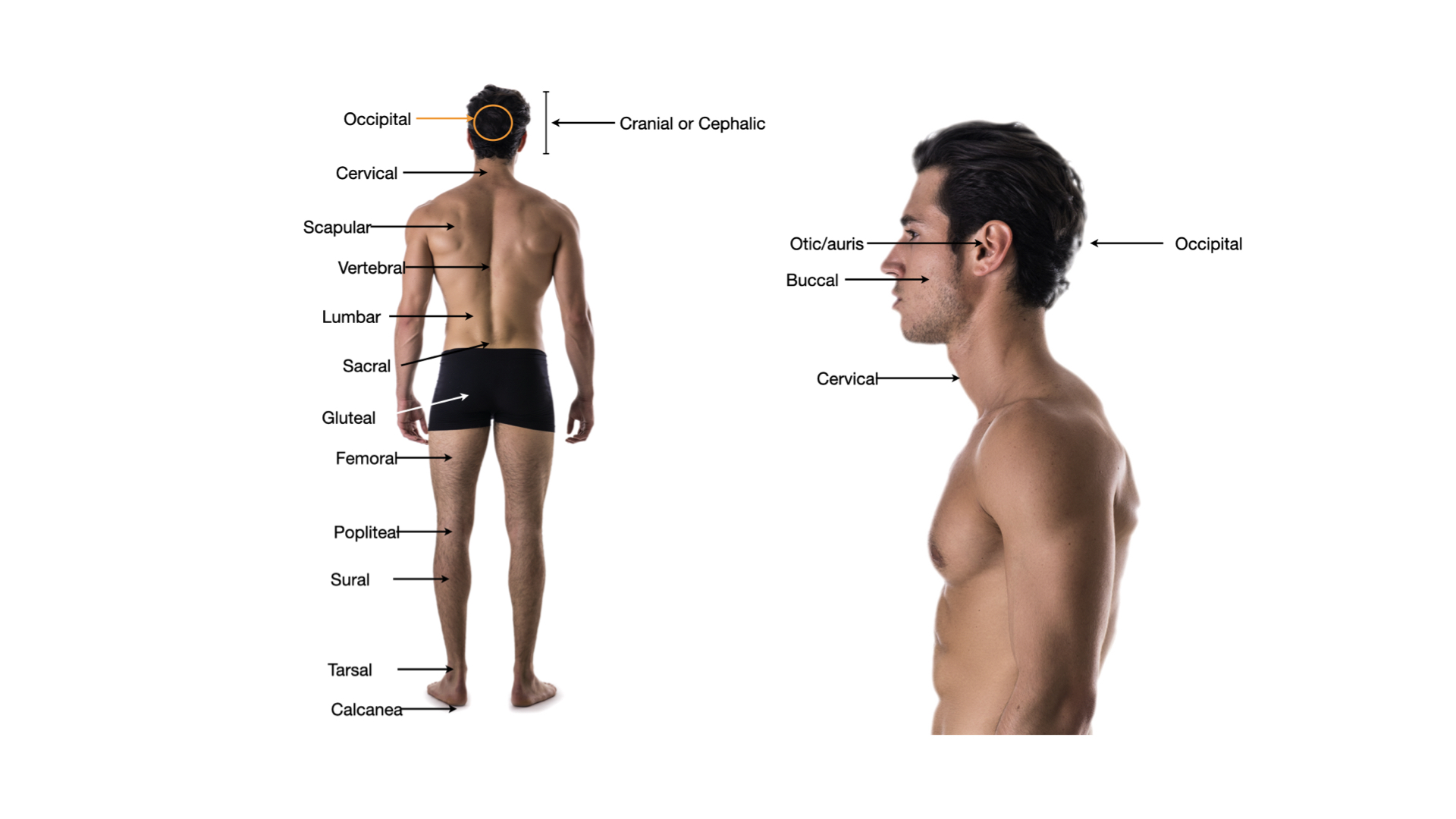
Click any image to enlarge.
Upper Extremity
Pectoral (shoulder) girdle
- Claviclecollarbone; only bony attachment of upper limb to axial skeleton
- Scapulashoulder blade; sits posteriorly on rib cage
- Acromionlateral end of scapular spine; articulates with clavicle (AC joint)
- Coracoid processanterior projection of scapula; muscle attachment
- Glenoid cavity (fossa)shallow socket for humeral head
Arm & forearm
- Humerusarm bone; proximal head fits glenoid; distal trochlea + capitulum
- Radiuslateral forearm bone (thumb side); rotates over the ulna
- Ulnamedial forearm bone (pinky side); olecranon = elbow point
Wrist & hand
- Carpals (8)two rows of small wrist bones
- Metacarpals (5)palm bones, numbered 1 (thumb) to 5 (pinky)
- Phalanges14 finger bones: proximal, middle, distal (thumb has only proximal + distal)
Lower Extremity
Pelvic girdle
- Os coxa (hip bone)three fused bones: ilium + ischium + pubis
- Iliumlarge superior portion; iliac crest is palpable
- Ischiumposteroinferior; ischial tuberosity = "sit bone"
- Pubisanterior; pubic symphysis joins right and left
- Acetabulumdeep socket where all three fuse; receives femoral head
- Pelvispelvic girdle + sacrum + coccyx as a ring
Thigh, knee, leg
- Femurthigh bone; longest, strongest bone; head fits acetabulum
- Patellakneecap; largest sesamoid bone
- Tibiamedial leg bone (shinbone); weight-bearing
- Fibulalateral leg bone; mostly muscle attachment, not weight-bearing
Ankle & foot
- Tarsals (7)ankle bones; talus articulates with tibia; calcaneus = heel
- Metatarsals (5)sole bones, numbered 1 (hallux) to 5
- Phalanges14 toe bones; same pattern as fingers
Pectoral vs pelvic
- Pectoralwide range of motion, low stability; attached mostly by muscle
- Pelvichigh stability, less mobility; transmits body weight to legs
Step 3 . Retrieval check
Now explain it back, in your own words.
In 60 words or more, pull together what the video just taught you. Include the key concepts. This is the point where the learning actually sticks. After you submit, your spaced-recall cards for this topic unlock.
Zoomed image
Spaced recall unlocked
Nice work finishing the video.
Your spaced-recall cards for this topic are ready. Open the pre-work to activate them and start drilling.