BIO 304 · Human Anatomy & Physiology
Cell Structure & Organelles
The Cell · Module 2
A reference for the Cell Structure video. The plasma membrane defines the cell; the nucleus runs the program; organelles in the cytoplasm do the work of life.
How to use this sheet Toggle the toolbar above. Notes prints the full reference for review. Study prints as a fill-in-the-blank worksheet , print it, then write each definition while you watch the video or read your book. Quiz me is on-screen typing practice; type the term, click Reveal to check yourself.
- Identify the components of the plasma membrane and describe what each contributes.
- Name the major cytoplasmic organelles and the job each one performs.
- Trace a protein from its gene in the nucleus to its release outside the cell, naming every organelle it passes through.
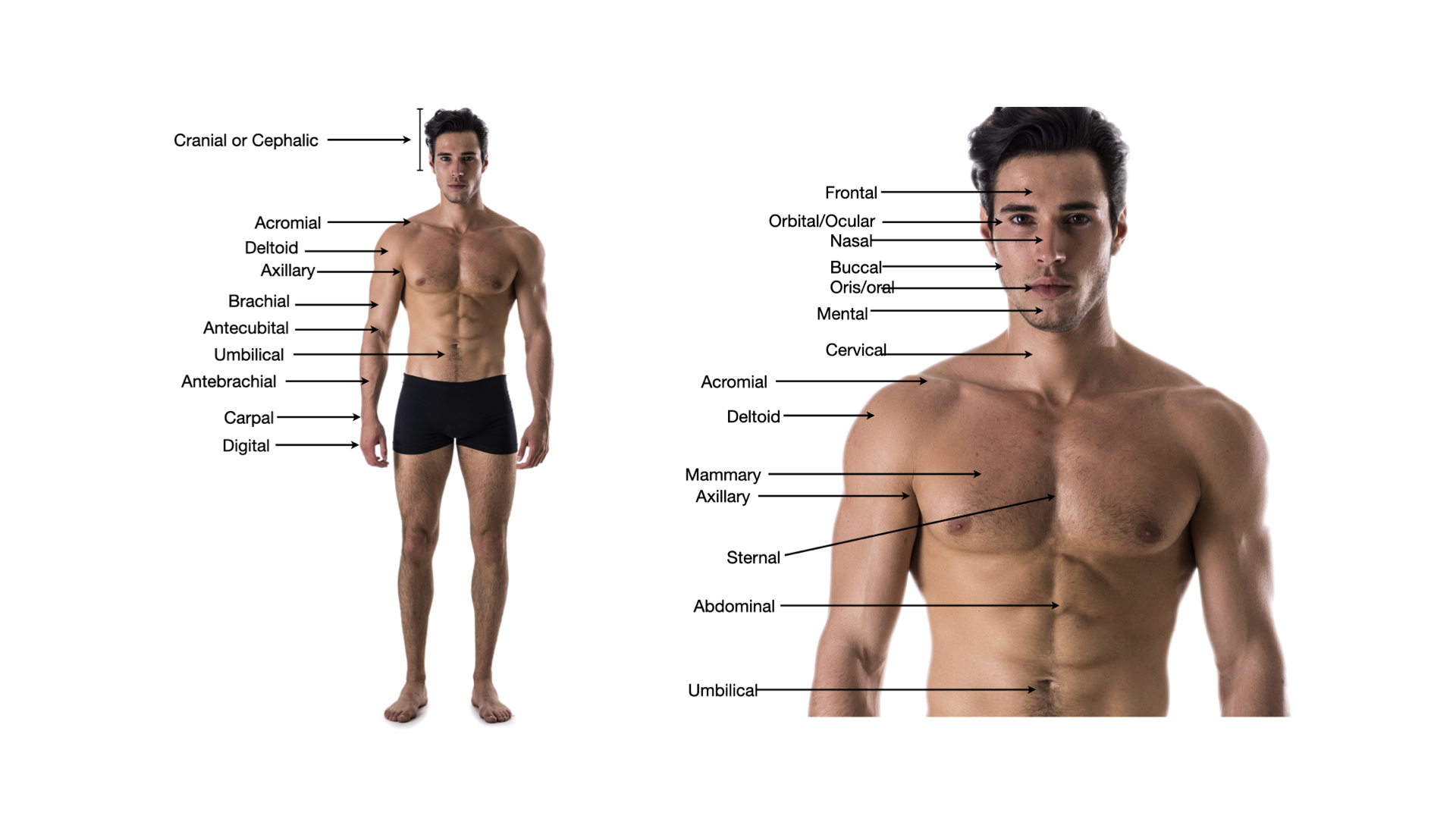
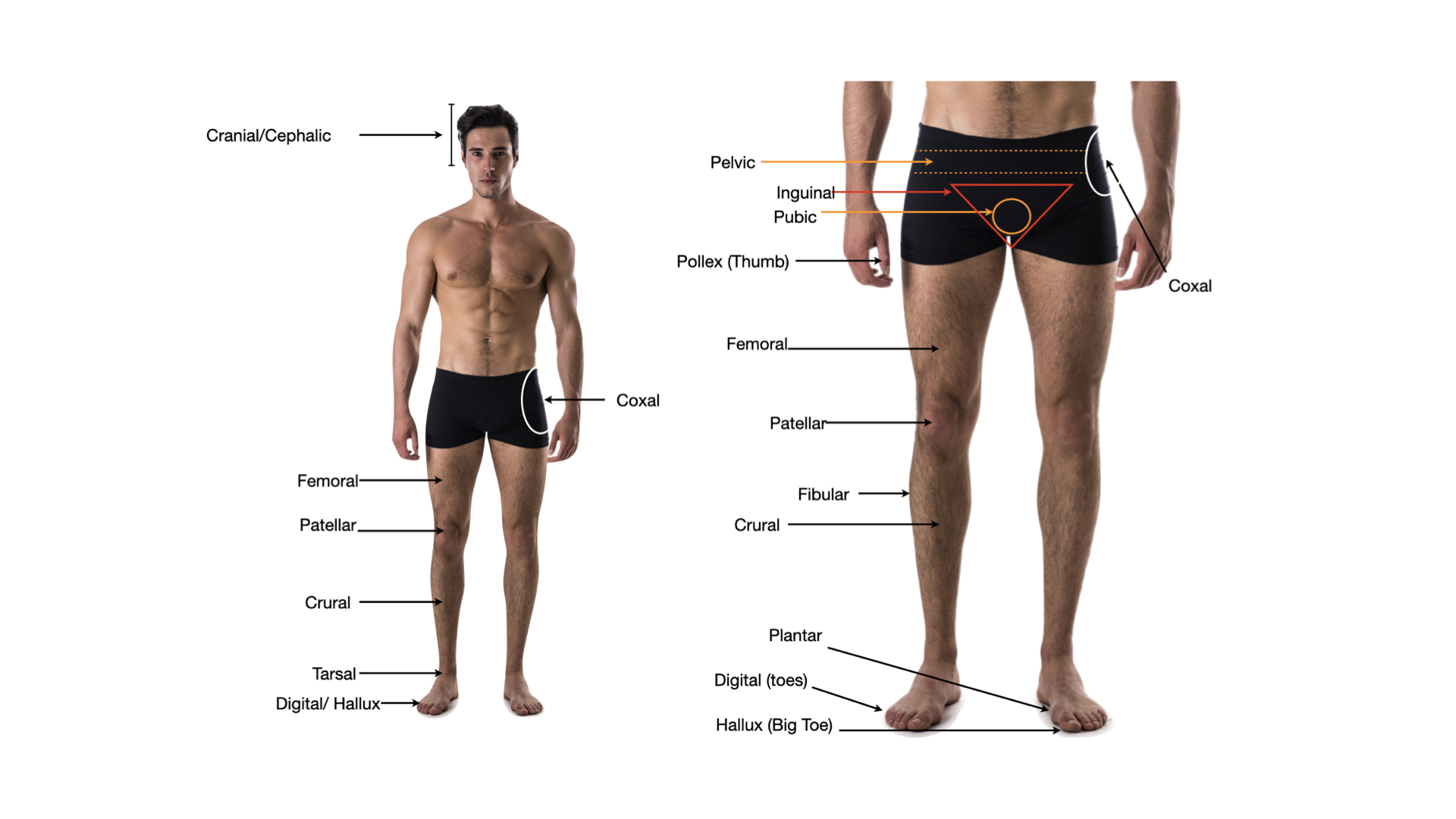
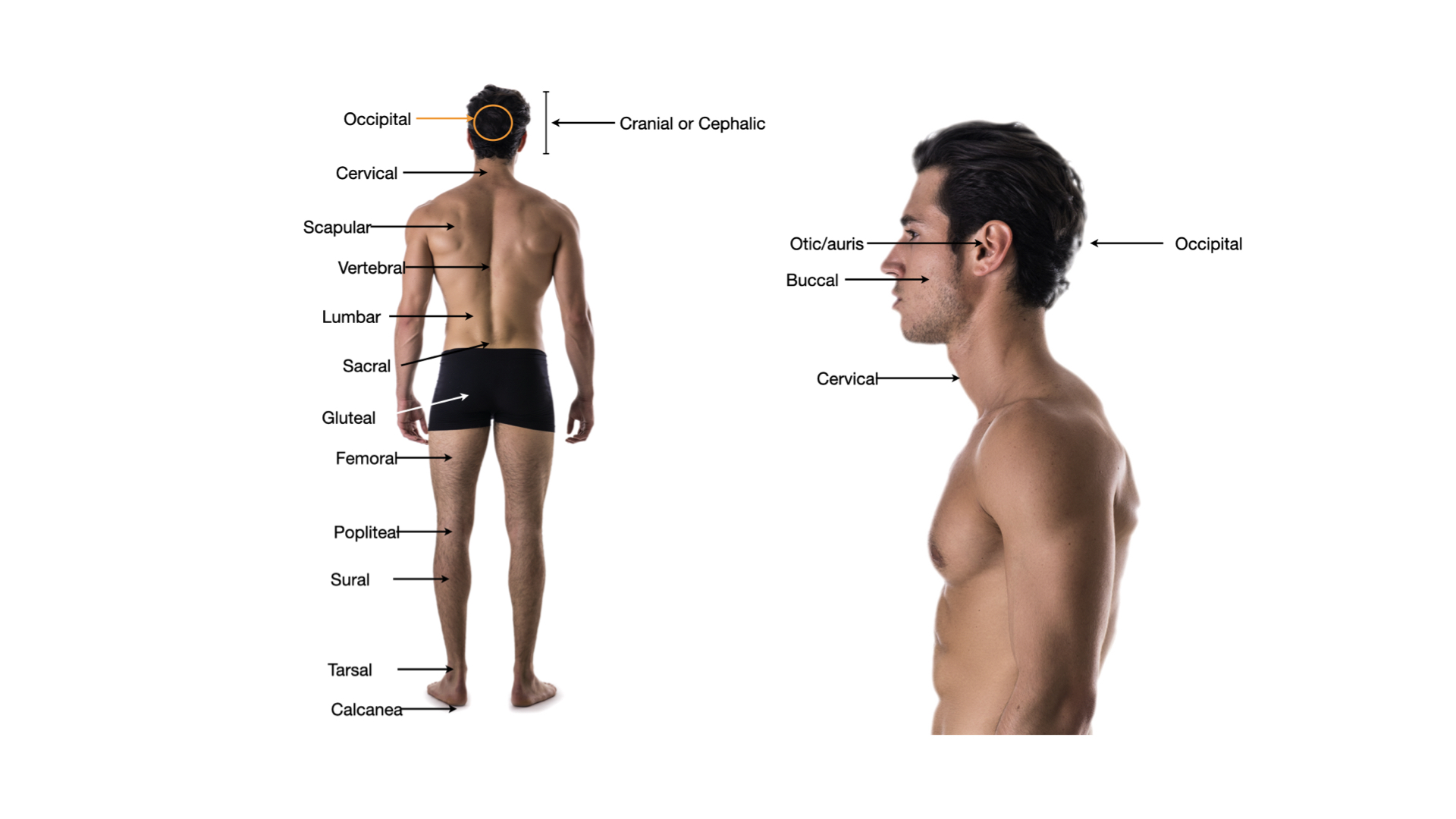
Click any image to enlarge.
Plasma Membrane & Nucleus
Membrane
- Phospholipid bilayertwo layers of phospholipids; hydrophilic heads out, hydrophobic tails in
- Integral proteinsspan the membrane; channels, carriers, receptors
- Peripheral proteinsattach to one side; signaling and structure
- Cholesterolfluidity buffer; keeps membrane stable across temperatures
- Glycoproteins / glycolipidssugar tags on the outer surface; cell-cell ID
Nucleus
- Nuclear envelopedouble membrane with pores; separates DNA from cytoplasm
- Nuclear poresgate mRNA, ribosomal subunits in and out
- ChromatinDNA + histone proteins; decondensed working state
- Nucleolusdark spot inside nucleus; builds ribosomal subunits
Cytoplasmic Organelles
Synthesis & processing
- Ribosomesprotein factories; free or bound to RER
- Rough ER (RER)studded with ribosomes; makes membrane and secreted proteins
- Smooth ER (SER)lipid & steroid synthesis; calcium storage in muscle
- Golgi apparatusmodifies, sorts, packages proteins for delivery
Energy & recycling
- Mitochondriondouble-membrane ATP factory; cristae for surface area
- Lysosomeacidic digestive vesicle; recycles cell components
- Peroxisomebreaks down fatty acids and detoxifies (esp. in liver)
Structure & motion
- Microfilamentsactin; cell shape, movement, division
- Microtubulestubulin; tracks for transport, spindle in division
- Intermediate filamentstension-bearing scaffolding (keratin, lamins)
- Centriolesorganize spindle during mitosis
Step 3 . Retrieval check
Now explain it back, in your own words.
In 60 words or more, pull together what the video just taught you. Include the key concepts. This is the point where the learning actually sticks. After you submit, your spaced-recall cards for this topic unlock.
Zoomed image
Spaced recall unlocked
Nice work finishing the video.
Your spaced-recall cards for this topic are ready. Open the pre-work to activate them and start drilling.