BIO 304 · Human Anatomy & Physiology
Membrane Transport
The Cell · Module 2
A reference for the Membrane Transport video. Stuff has to cross the membrane to do anything. The membrane decides what gets in, what gets out, and whether the cell pays for it with ATP.
How to use this sheet Toggle the toolbar above. Notes prints the full reference for review. Study prints as a fill-in-the-blank worksheet , print it, then write each definition while you watch the video or read your book. Quiz me is on-screen typing practice; type the term, click Reveal to check yourself.
- Distinguish passive from active transport using the role of ATP and the direction relative to the concentration gradient.
- Compare simple diffusion, facilitated diffusion, and osmosis with one example of each.
- Predict cell behavior in hypertonic, hypotonic, and isotonic solutions.
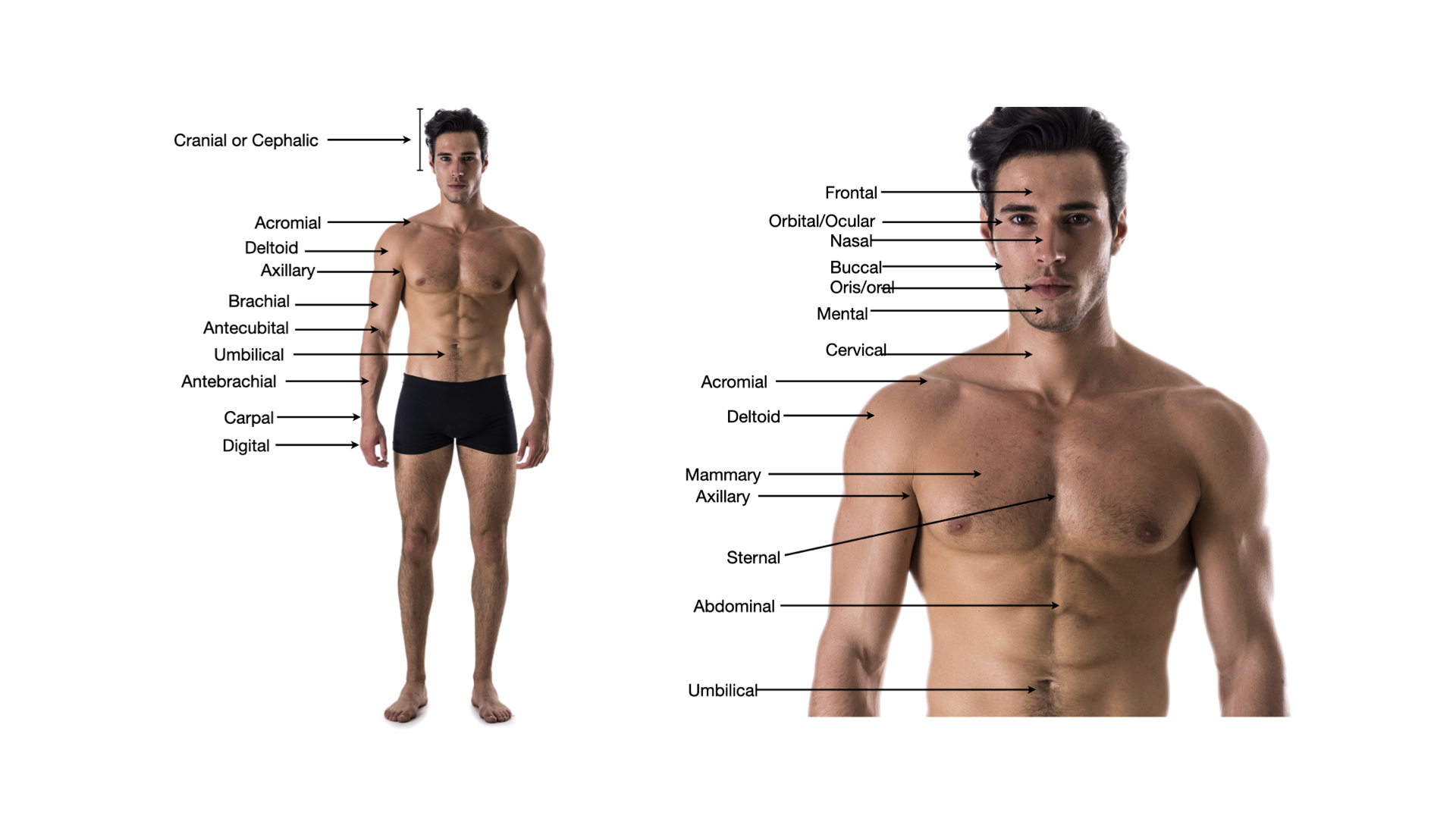
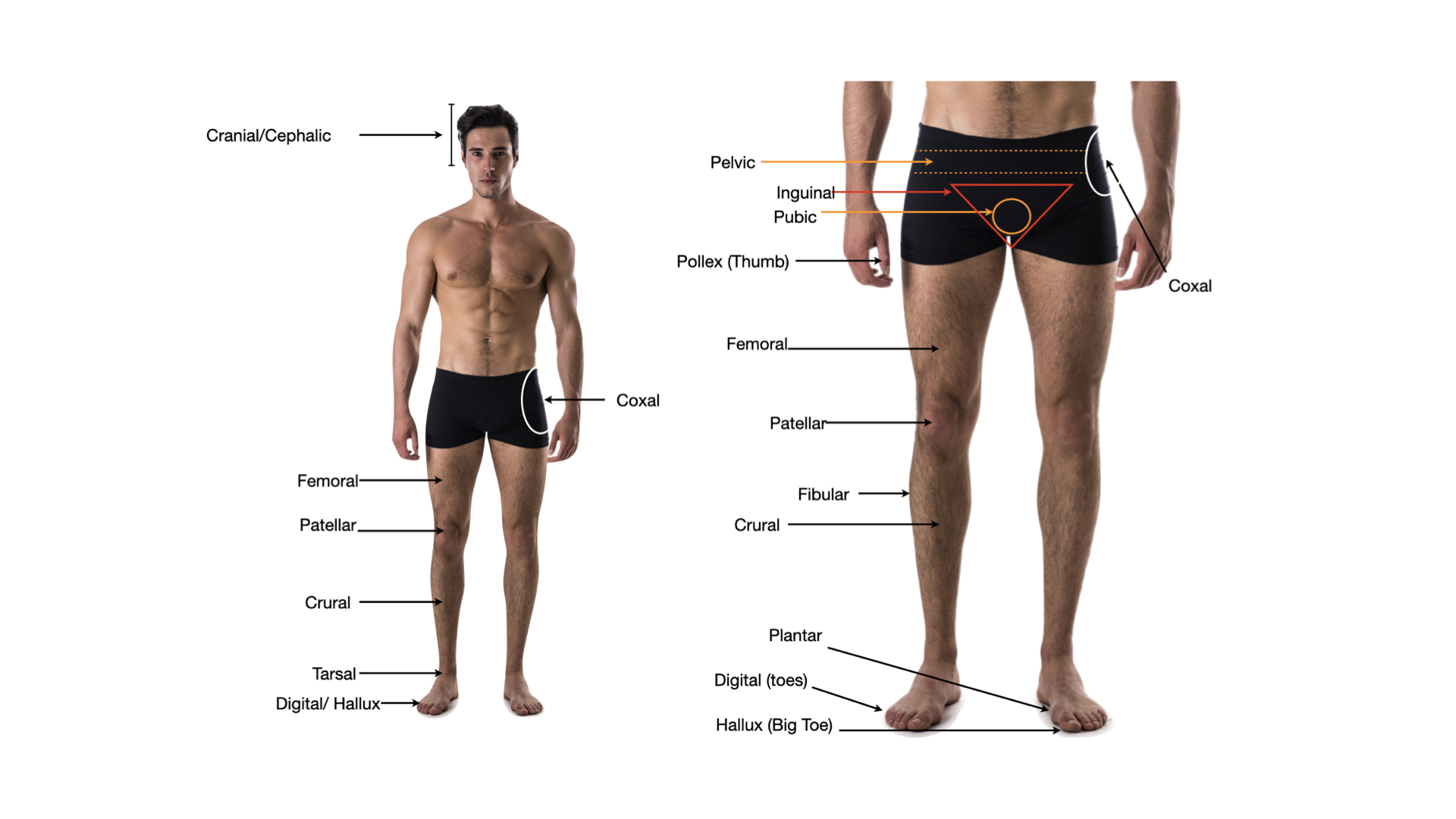
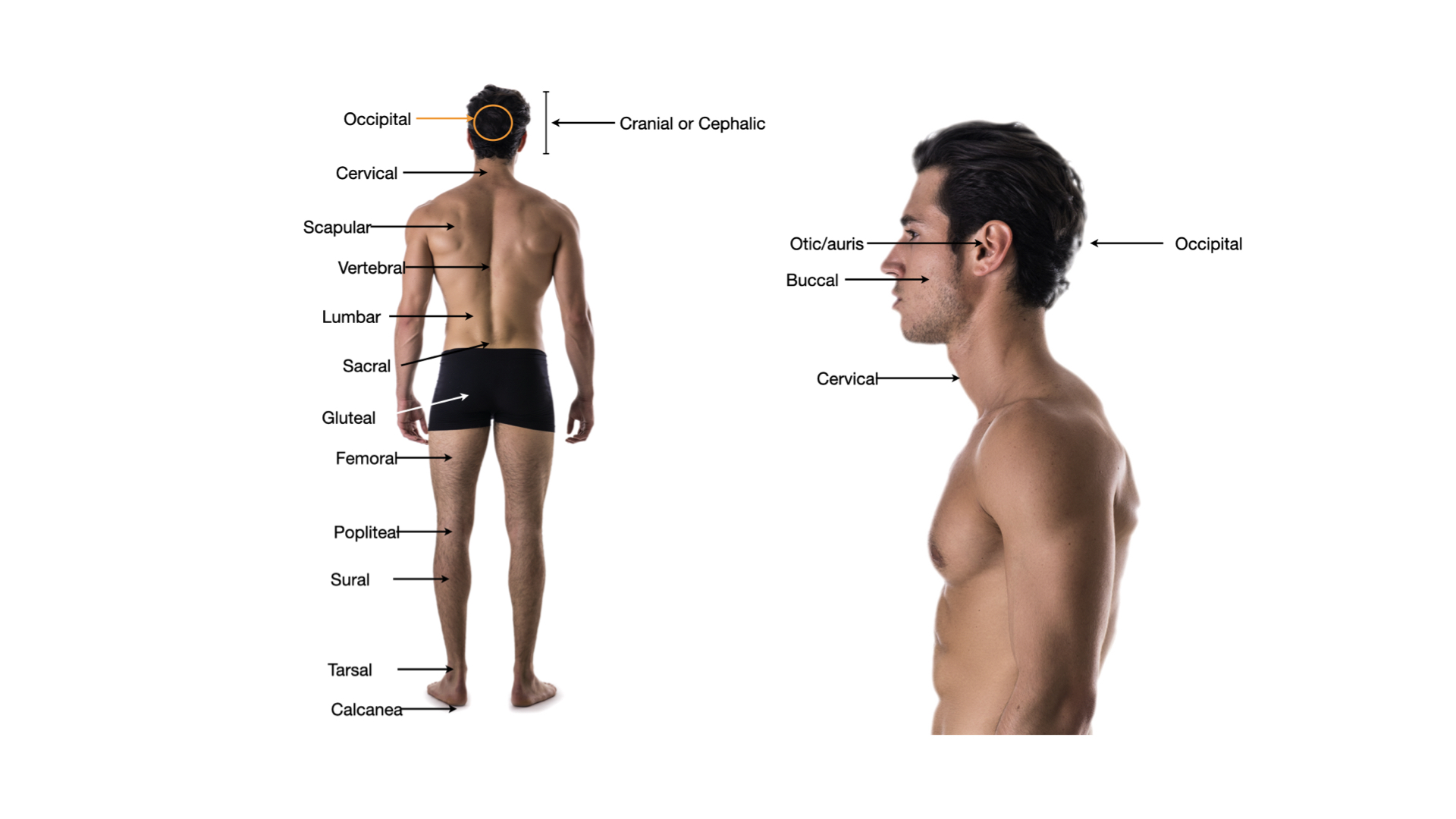
Click any image to enlarge.
Passive Transport
No ATP, follows the gradient
- Simple diffusionsmall nonpolar molecules cross the lipid bilayer directly (O₂, CO₂)
- Facilitated diffusionpolar or charged solutes cross via channel or carrier proteins
- Channel proteinopen pore; lets one type of ion through quickly
- Carrier proteinbinds solute, flips shape, releases it on the other side
- Osmosiswater moves across a semipermeable membrane toward higher solute
- Aquaporinswater-specific channels; explain how kidneys reabsorb so much
Tonicity
- Isotonicsame solute concentration as the cell; no net water movement
- Hypertonicmore solute outside; cell shrinks (crenation)
- Hypotonicless solute outside; cell swells, may lyse
Active & Bulk Transport
Costs ATP, against the gradient
- Primary active transportpump uses ATP directly (Na+/K+ pump, Ca2+ pump)
- Na+/K+ pump3 Na+ out, 2 K+ in per ATP; sets up resting potential
- Secondary active transportrides another ion's gradient (no direct ATP)
- Symport / cotransporttwo solutes cross in the same direction (Na+/glucose)
- Antiporttwo solutes cross in opposite directions (Na+/Ca2+ exchanger)
Bulk transport
- Exocytosisvesicle fuses with membrane to release contents outward
- Endocytosismembrane pinches inward to bring material in
- Phagocytosiscell eats large particles (a macrophage swallowing bacteria)
- Pinocytosiscell drinks dissolved solutes in tiny vesicles
- Receptor-mediated endocytosisspecific cargo binds receptor; vesicle forms (LDL uptake)
Step 3 . Retrieval check
Now explain it back, in your own words.
In 60 words or more, pull together what the video just taught you. Include the key concepts. This is the point where the learning actually sticks. After you submit, your spaced-recall cards for this topic unlock.
Zoomed image
Spaced recall unlocked
Nice work finishing the video.
Your spaced-recall cards for this topic are ready. Open the pre-work to activate them and start drilling.