BIO 304 · Human Anatomy & Physiology
Muscle & Nervous Tissue Overview
Tissues · Module 3
A reference for the Muscle & Nervous Tissue video. Muscle contracts to do work; nervous tissue carries fast signals. Both are excitable, but their cells look nothing alike.
How to use this sheet Toggle the toolbar above. Notes prints the full reference for review. Study prints as a fill-in-the-blank worksheet , print it, then write each definition while you watch the video or read your book. Quiz me is on-screen typing practice; type the term, click Reveal to check yourself.
- Compare the three muscle tissue types by appearance, location, and voluntary control.
- Identify the major parts of a neuron and the role of each part in signal flow.
- Name the four types of CNS neuroglia and the two types of PNS neuroglia with one job for each.
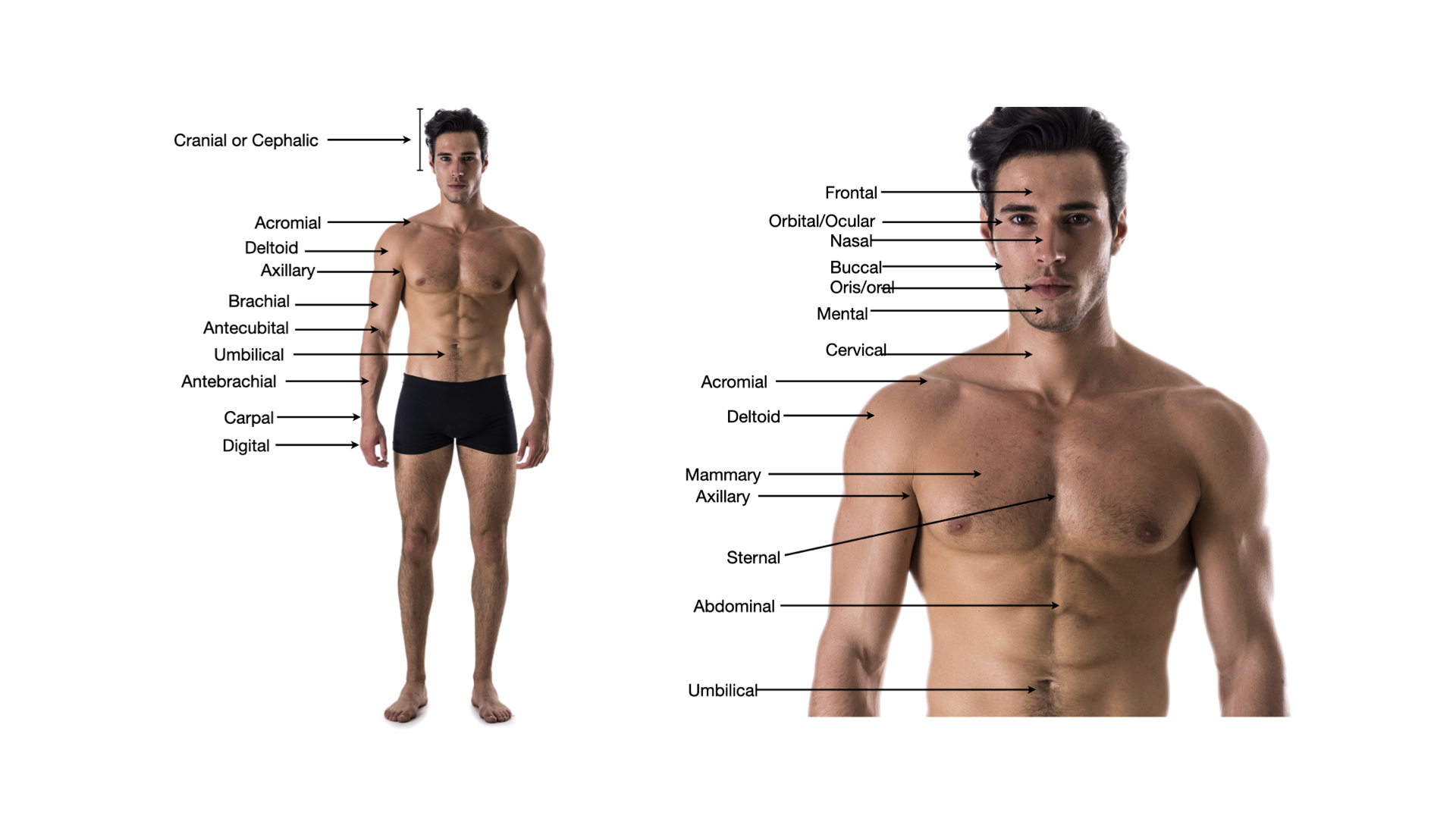
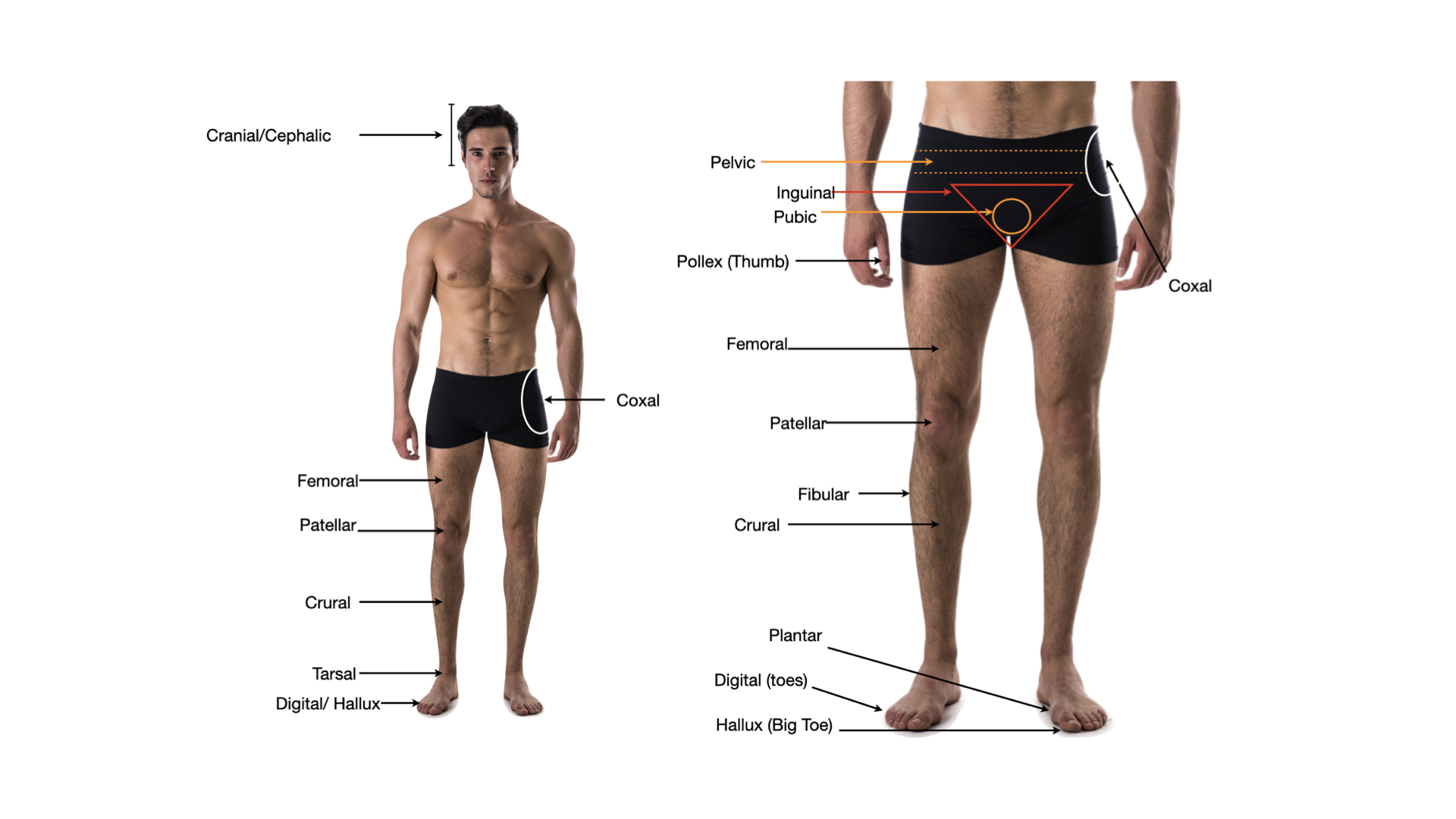
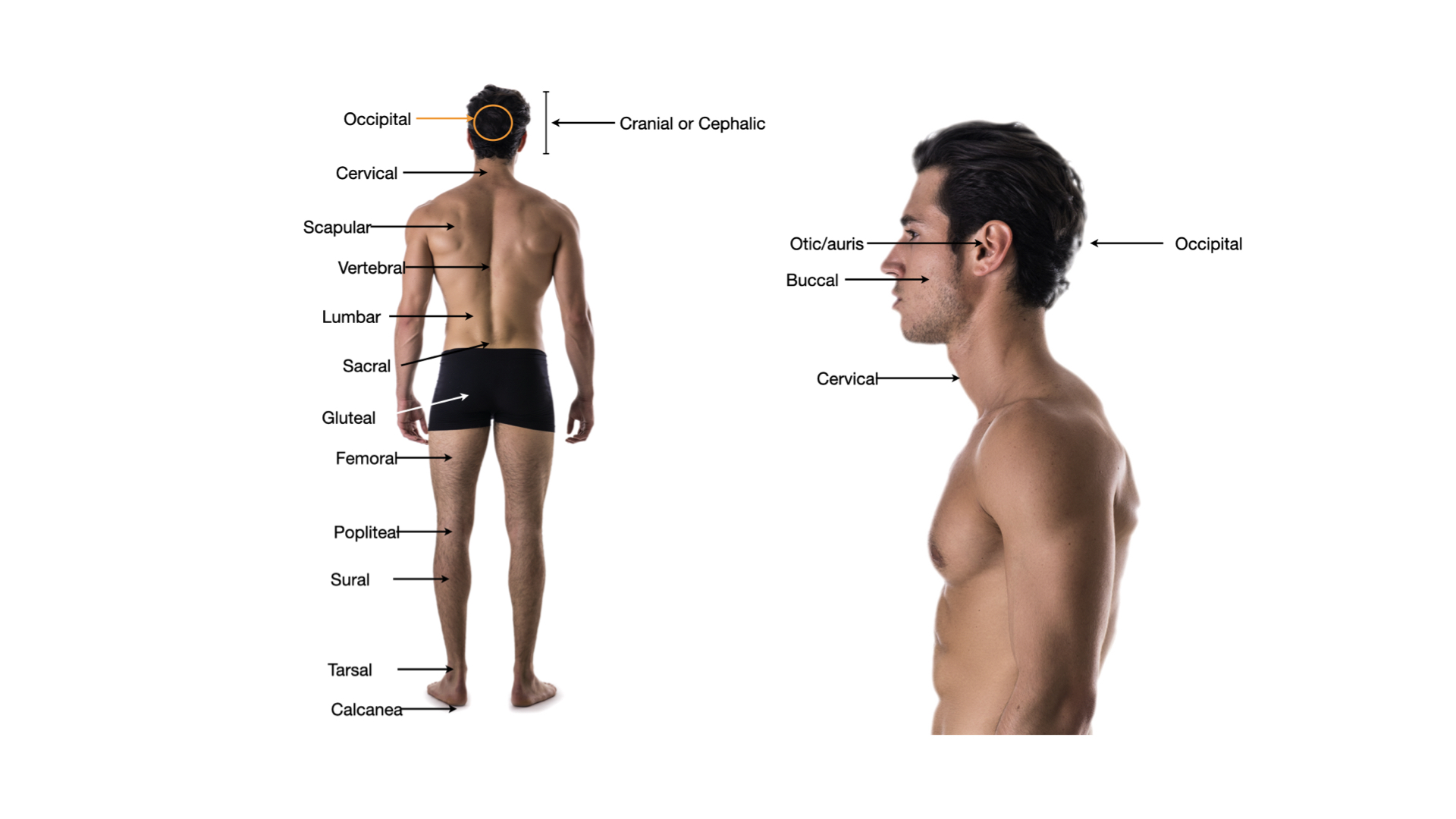
Click any image to enlarge.
Muscle Tissue
Skeletal muscle
- Striatedvisible bands from organized sarcomeres
- Multinucleatelong fibers fused from many myoblasts
- Voluntarysomatic motor neuron control
- Whereattaches to bone; moves the skeleton
Cardiac muscle
- Striatedshares sarcomere structure with skeletal
- One central nucleusshort branching cells
- Intercalated discscell-to-cell junctions with gap junctions for electrical coupling
- Involuntaryautorhythmic; ANS modulates rate
- Whereheart wall only
Smooth muscle
- Not striatedno sarcomeres; spindle-shaped cells
- One central nucleussmall cells, single nucleus
- InvoluntaryANS, hormones, stretch
- Wherewalls of hollow organs and vessels
Nervous Tissue
Neuron parts
- Dendritesbranching receivers; bring signal toward soma
- Soma (cell body)nucleus + most organelles; integration point
- Axonsends signal away from soma; can be very long
- Axon terminalreleases neurotransmitter at the synapse
- Myelin sheathfatty insulation on axon; speeds conduction
- Nodes of Ranviergaps between myelin; site of saltatory conduction
CNS neuroglia
- Astrocytemost numerous; blood-brain barrier, K+ buffering
- Oligodendrocytemyelinates CNS axons (one cell wraps several)
- MicrogliaCNS macrophages; immune surveillance
- Ependymallines ventricles; produces and circulates CSF
PNS neuroglia
- Schwann cellmyelinates PNS axons (one cell wraps one segment of one axon)
- Satellite cellsurrounds cell bodies in ganglia
Step 3 . Retrieval check
Now explain it back, in your own words.
In 60 words or more, pull together what the video just taught you. Include the key concepts. This is the point where the learning actually sticks. After you submit, your spaced-recall cards for this topic unlock.
Zoomed image
Spaced recall unlocked
Nice work finishing the video.
Your spaced-recall cards for this topic are ready. Open the pre-work to activate them and start drilling.