BIO 304 · Human Anatomy & Physiology
Female Reproductive System
Reproductive System · Module 16
A reference for the Female Reproductive video. The ovaries make both eggs and hormones in a coordinated 28-day cycle. The uterus prepares a lining each cycle in case implantation happens.
How to use this sheet Toggle the toolbar above. Notes prints the full reference for review. Study prints as a fill-in-the-blank worksheet , print it, then write each definition while you watch the video or read your book. Quiz me is on-screen typing practice; type the term, click Reveal to check yourself.
- Identify the female reproductive organs and the path of an egg from ovulation to implantation site.
- Describe oogenesis and follicular development from primordial follicle to corpus luteum.
- Trace the ovarian and uterine cycles and link them to estrogen and progesterone changes.
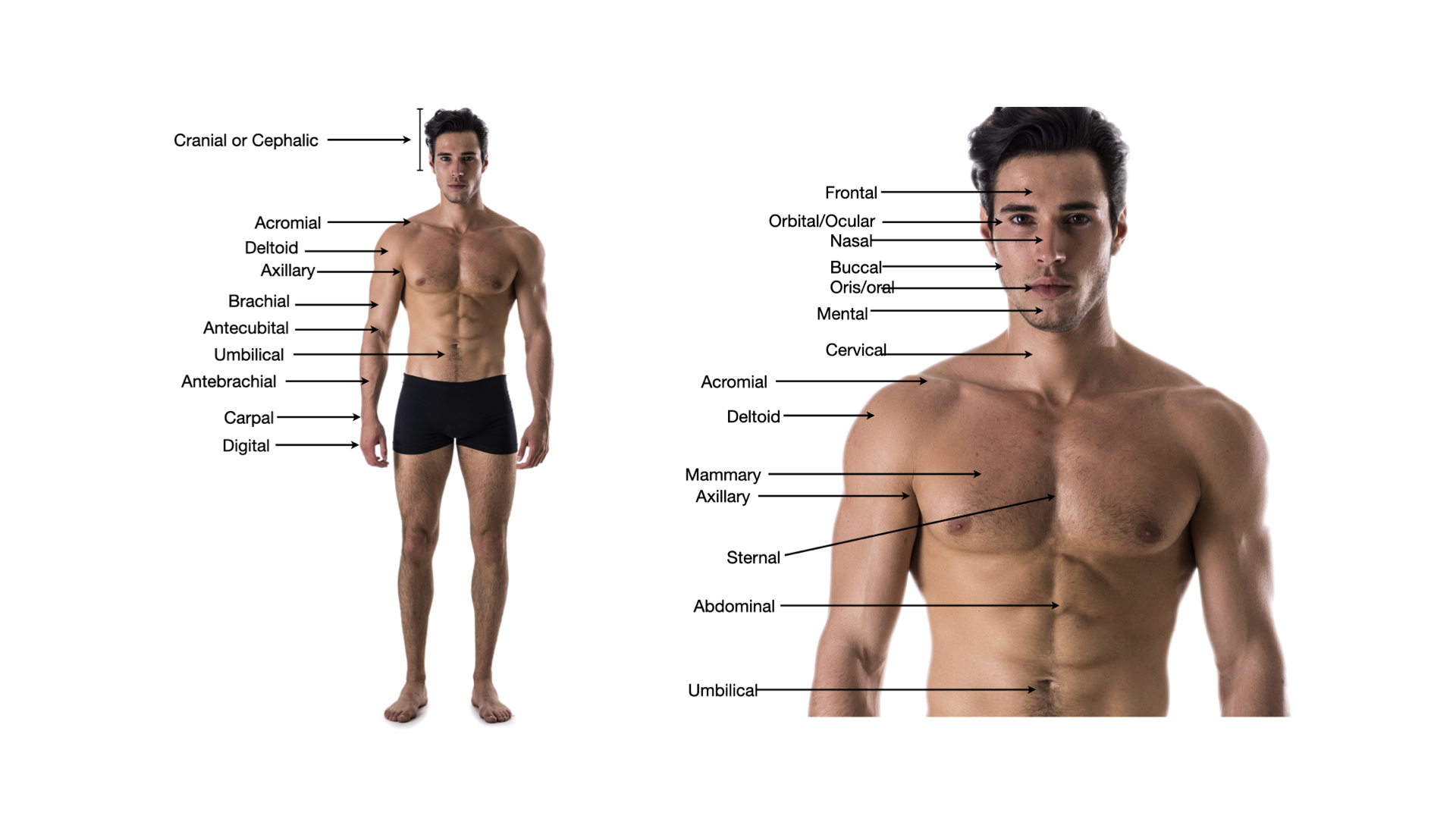
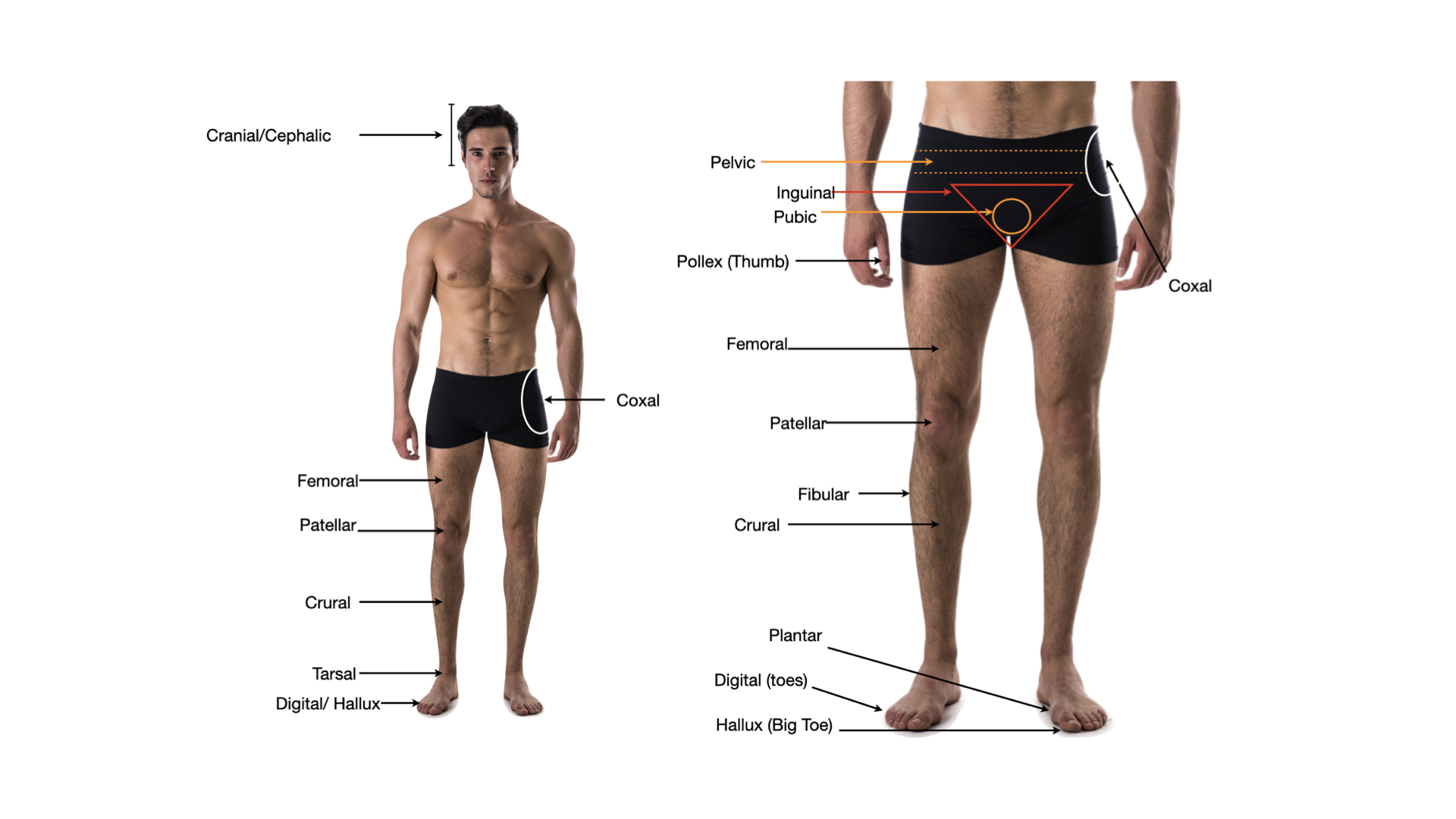
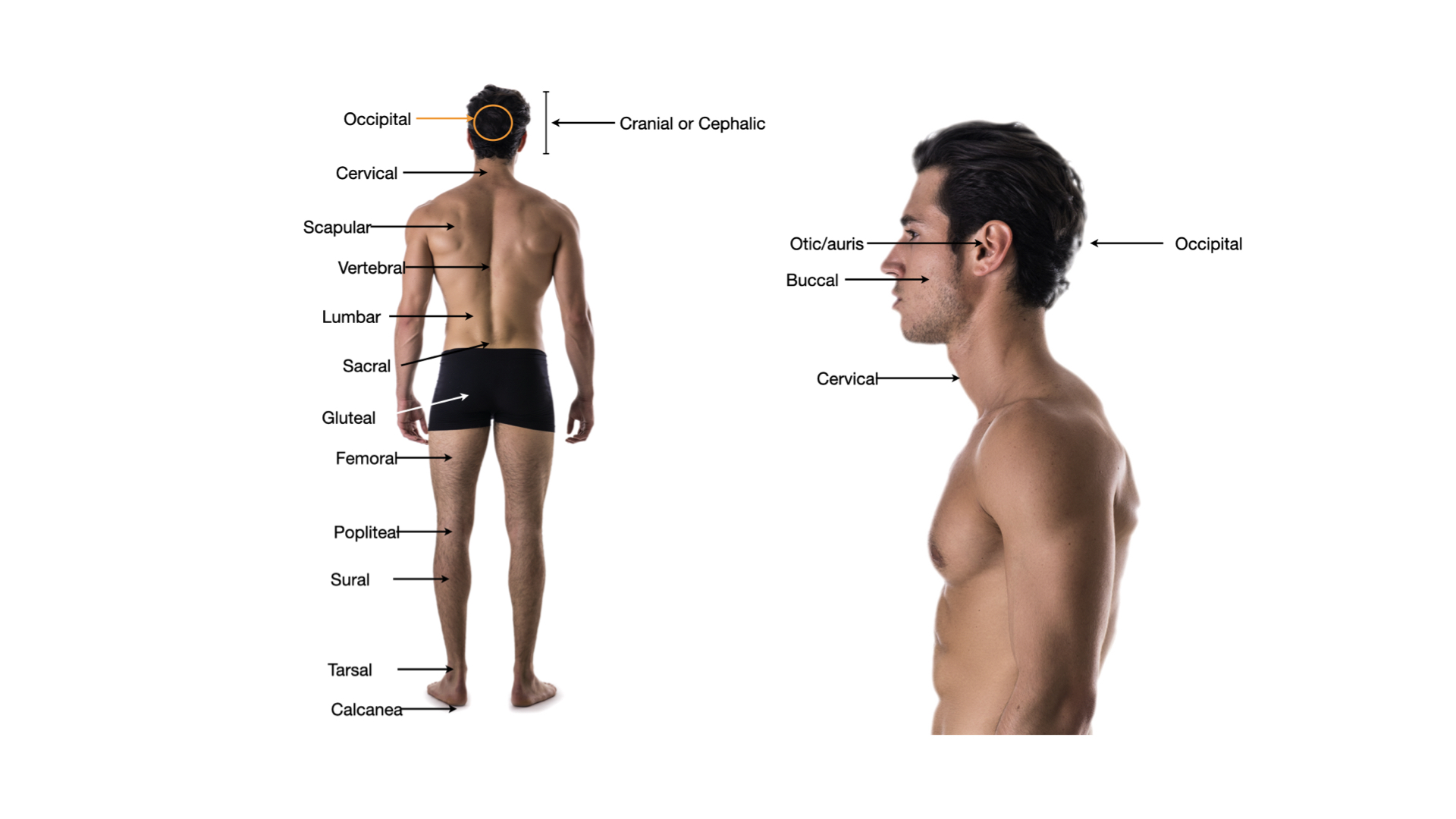
Click any image to enlarge.
Anatomy & Egg Path
External genitalia (vulva)
- Mons pubisfatty pad over pubic symphysis
- Labia majoraouter folds; hair-bearing skin
- Labia minorainner folds; hairless; vestibular skin
- Clitoriserectile tissue; sensory; homolog of penis
- Vestibulespace enclosed by labia minora; contains urethral and vaginal openings
- Bartholin glandsmucus-secreting; flanking vaginal opening
Internal organs
- Vaginamuscular tube; birth canal; receptive organ
- Cervixinferior uterus; small opening (os); mucus changes through cycle
- Uteruspear-shaped; fundus, body, isthmus
- Uterine wall layersperimetrium, myometrium (smooth muscle), endometrium (shedding lining)
- Fallopian tubesoviducts; site of fertilization; fimbriae catch released egg
- Ovariesgonads; produce ova and hormones (estrogen, progesterone)
Egg path
- Ovaryfollicle ruptures at ovulation
- Fimbriaesweep egg into fallopian tube
- Ampullausual site of fertilization (if it happens)
- Isthmus to uterus~6-7 days; arrives as blastocyst
- Endometriumimplantation site
Oogenesis & the Cycle
Oogenesis (slow!)
- Oogoniain fetus only; multiply, then arrest
- Primary oocytearrested in prophase I; all formed by birth; up to ~1-2 million at birth
- Each cycleone dominant follicle resumes meiosis to metaphase II
- Secondary oocytereleased at ovulation; arrested at metaphase II
- Meiosis completes only if fertilizedsecond polar body extruded
Follicular development
- Primordial follicleoocyte + flat surrounding cells
- Primary folliclecuboidal granulosa cells
- Secondary folliclemultiple granulosa layers + theca cells; fluid-filled antrum forms
- Mature (Graafian) folliclelarge, ready to ovulate
- Corpus luteumafter ovulation; secretes progesterone & estrogen
- Corpus albicansscar if no pregnancy; corpus luteum degenerates
Ovarian cycle (~28 days)
- Follicular phase (days 1-14)FSH drives follicle growth; estrogen rises
- Ovulation (~day 14)LH surge triggers follicle rupture
- Lu#0B1530 phase (days 14-28)corpus luteum secretes progesterone; estrogen also high
- If no pregnancycorpus luteum involutes; hormones drop
Uterine (menstrual) cycle
- Menstrual phase (days 1-5)endometrial sloughing; bleeding
- Proliferative phase (days 5-14)estrogen drives endometrial regrowth
- Secretory phase (days 14-28)progesterone makes endometrium glandular and vascular; ready for implantation
- No pregnancyhormones drop; endometrium sheds; cycle repeats
HPG axis (female)
- GnRHpulsatile from hypothalamus
- FSHfollicle growth; granulosa make estrogen
- LHpre-ovulation surge triggers ovulation; supports corpus luteum
- Estrogen feedbacknegative for most of cycle; switches to positive late follicular, triggering LH surge
- Progesteronemaintains endometrium; suppresses LH/FSH
Step 3 . Retrieval check
Now explain it back, in your own words.
In 60 words or more, pull together what the video just taught you. Include the key concepts. This is the point where the learning actually sticks. After you submit, your spaced-recall cards for this topic unlock.
Zoomed image
Spaced recall unlocked
Nice work finishing the video.
Your spaced-recall cards for this topic are ready. Open the pre-work to activate them and start drilling.