BIO 304 · Human Anatomy & Physiology
Hemostasis & Blood Typing
Blood · Module 10
A reference for the Hemostasis video. When a vessel breaks, the body has three sequential mechanisms to stop the leak. After they work, you still have to match donor and recipient blood by ABO and Rh antigens.
How to use this sheet Toggle the toolbar above. Notes prints the full reference for review. Study prints as a fill-in-the-blank worksheet , print it, then write each definition while you watch the video or read your book. Quiz me is on-screen typing practice; type the term, click Reveal to check yourself.
- List the three phases of hemostasis and what happens in each.
- Distinguish the intrinsic, extrinsic, and common pathways of coagulation.
- Predict transfusion compatibility from ABO and Rh typing.
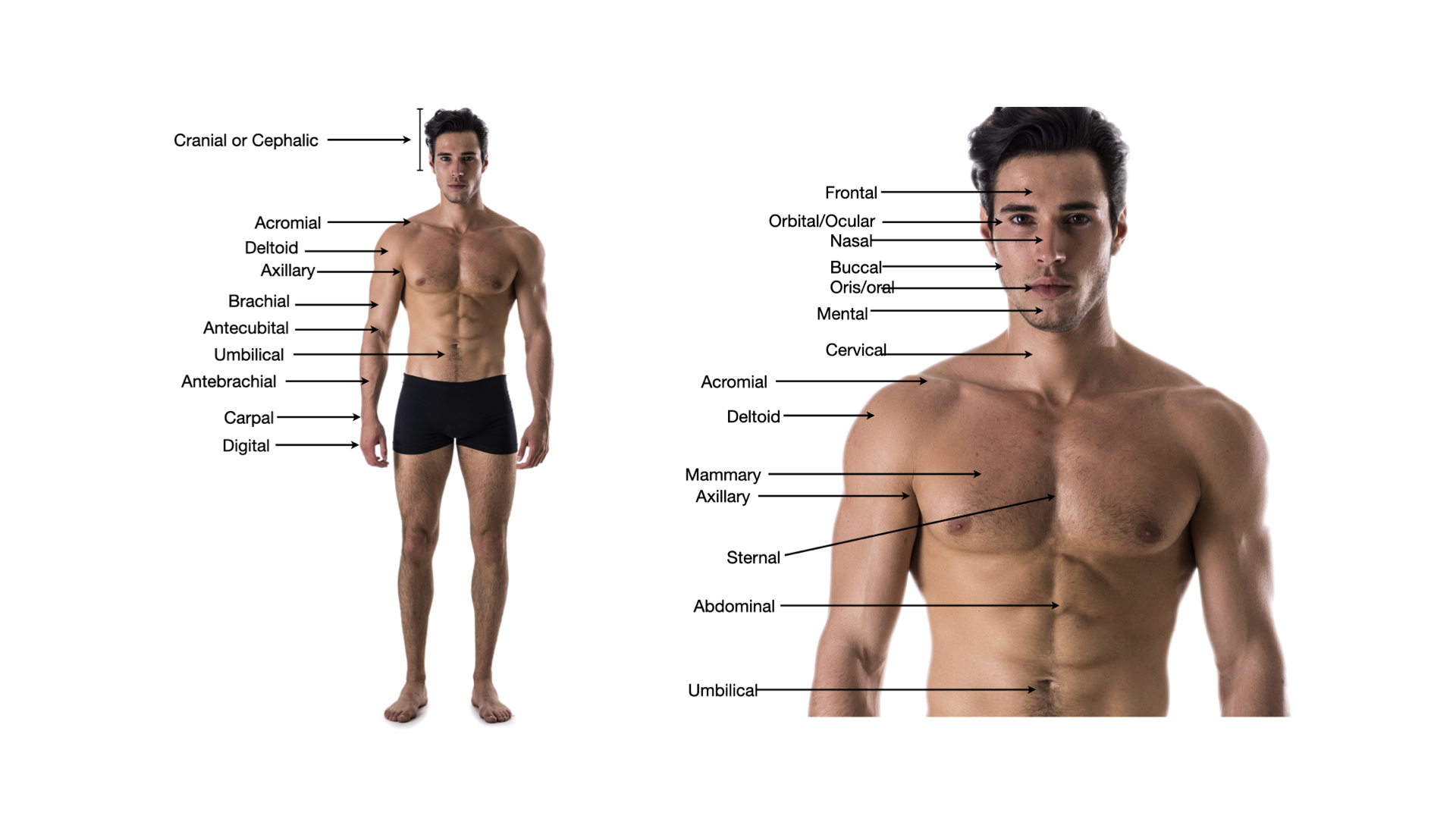
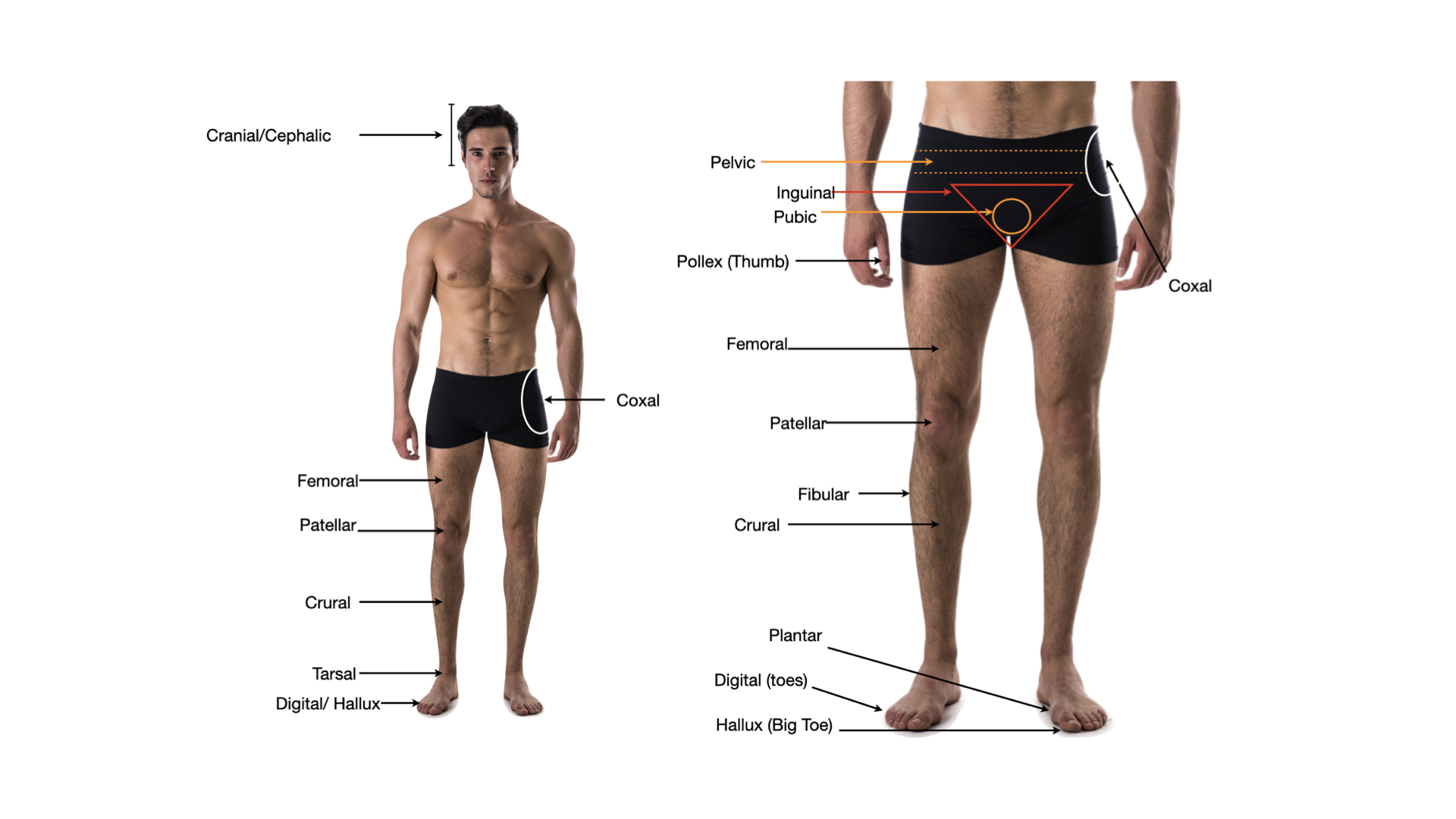
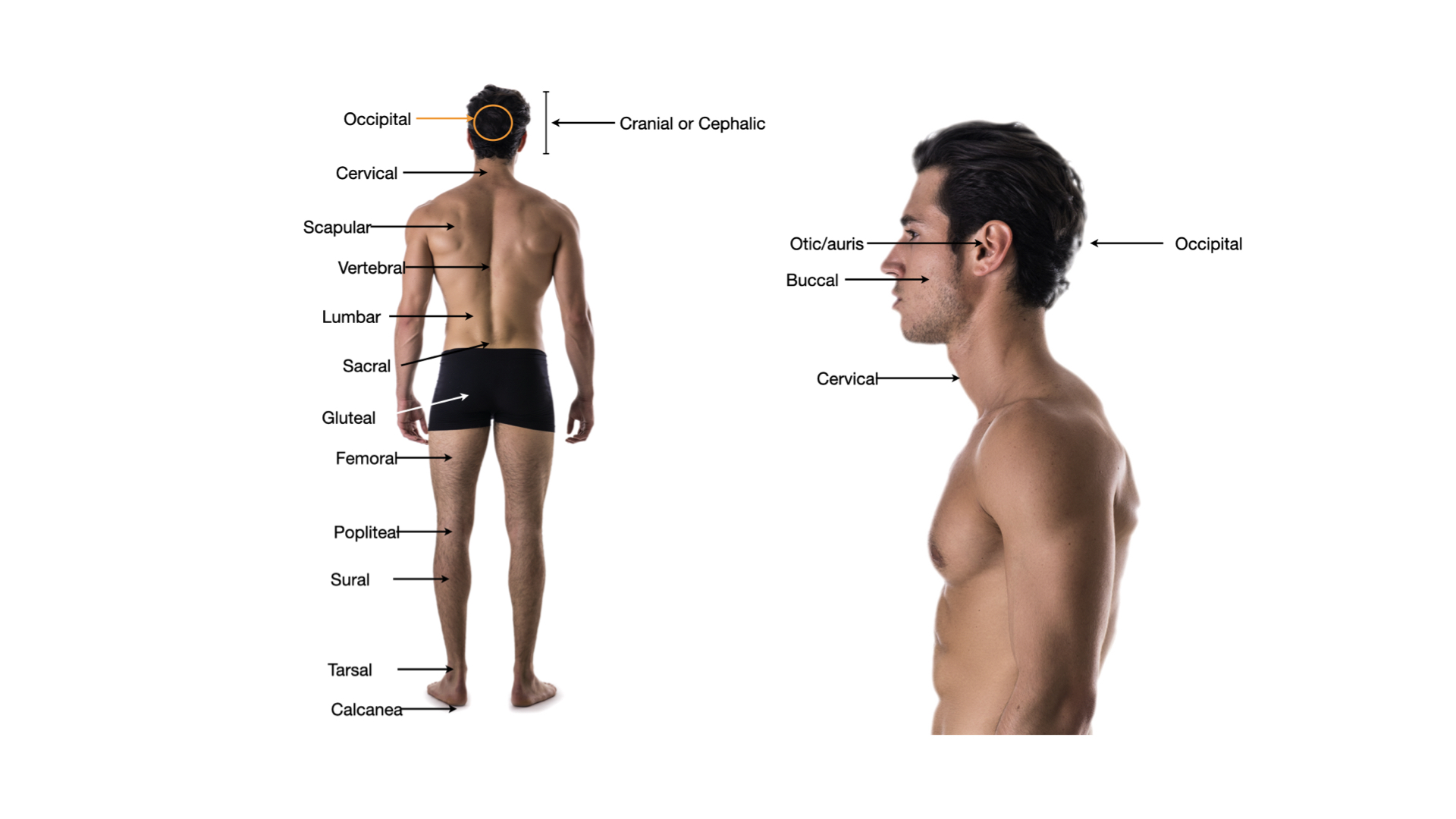
Click any image to enlarge.
Hemostasis
Three phases
- 1. Vascular spasmimmediate vasoconstriction; reduces blood loss for minutes
- 2. Platelet plug formationplatelets adhere to exposed collagen via vWF; activate; aggregate
- 3. Coagulationfibrin mesh reinforces the platelet plug; durable seal
Platelet steps
- AdhesionvWF binds platelet GP Ib to exposed collagen
- Activationplatelets release ADP, thromboxane A2, serotonin
- Aggregationplatelets stick to each other via fibrinogen and GP IIb/IIIa receptors
Coagulation cascade
- Intrinsic pathwaytriggered by exposed collagen inside vessel; factors XII, XI, IX, VIII
- Extrinsic pathwaytriggered by tissue factor from injured tissue; factor VII; faster start
- Common pathwayboth converge on factor X → thrombin (II) → fibrin (I)
- Cross-linkingfactor XIII stabilizes fibrin into stable clot
- Calcium requiredmost steps need Ca²⁺
- Vitamin K dependent factorsII, VII, IX, X (and proteins C, S)
Stopping the clot
- Plasminbreaks down fibrin (fibrinolysis)
- Plasminogenprecursor; activated by tPA
- Antithrombin IIIinhibits thrombin and other coagulation factors
- Protein C / Santicoagulant; degrades factors V and VIII
Blood Typing
ABO system
- Type AA antigen on RBC; anti-B antibody in plasma
- Type BB antigen on RBC; anti-A antibody in plasma
- Type ABA and B antigens; no anti-A or anti-B antibodies — universal recipient
- Type Ono A or B antigens; both anti-A and anti-B in plasma — universal donor
Rh factor
- Rh+has D antigen on RBC; ~85% of people
- Rh-no D antigen; can produce anti-D if exposed to Rh+ blood
- First exposureRh- person makes anti-D antibodies
- Second exposureantibodies attack Rh+ cells (transfusion reaction)
Hemolytic disease of the newborn
- RiskRh- mother carrying Rh+ fetus
- Mechanismmom's anti-D crosses placenta in subsequent pregnancy and attacks fetal RBCs
- PreventionRhoGAM (anti-D immunoglobulin) at 28 weeks and post-delivery
Compatibility quick rules
- Look at antibodies in recipient plasmathese will attack donor antigens
- O- universal donor RBCno A, B, or Rh antigens on cells
- AB+ universal recipientno anti-A, anti-B, or anti-D in plasma
- Plasma transfusionreverse rules: AB plasma is universal donor; O is universal recipient
Common bleeding disorders
- Hemophilia Afactor VIII deficiency; X-linked
- Hemophilia Bfactor IX deficiency; X-linked
- von Willebrand diseasevWF deficiency; most common inherited bleeding disorder
- Thrombocytopenialow platelet count from many causes
Step 3 . Retrieval check
Now explain it back, in your own words.
In 60 words or more, pull together what the video just taught you. Include the key concepts. This is the point where the learning actually sticks. After you submit, your spaced-recall cards for this topic unlock.
Zoomed image
Spaced recall unlocked
Nice work finishing the video.
Your spaced-recall cards for this topic are ready. Open the pre-work to activate them and start drilling.